Why Bulgaria Is a Strong Destination for Studying Medicine Abroad
17.09.2026

First Things First: There's No Destination That Suits Everyone
Bulgaria was a perfect match for me. That doesn't mean it's the right place for you. Grades, budget, language, proximity to family, any previous education, and the wish to eventually transfer back all play a role. Still, there are good reasons why Bulgaria has been one of the most popular destinations for German-speaking students for years.
Quality of Education
The Bulgarian universities that offer medicine in English follow European standards. The Faculty of Dental Medicine at the Medical University of Sofia was founded on the German model, by Bulgarians who had studied dentistry in Germany.
Teaching takes place in small groups of no more than ten students per lecturer, in an international environment with students from more than 40 countries. The curricula are hands-on: you treat your own patients early on and rack up a great deal of hands-on treatment time. The universities have modern labs and clinics.
Formally, the same framework applies across Europe: 5,500 teaching hours and 360 ECTS credits for medicine. The degree is recognised in Germany, Austria and Switzerland under Directive 2005/36/EC.
Costs: Tuition Yes, Cost of Living Low
Studying isn't free the way it is at a public German university. In 2026, tuition fees range from around €7,000 to €10,000 per academic year depending on the university and subject, payable in two instalments. In return, many faculties provide instruments and materials, which makes a noticeable difference especially in dentistry.
On the other hand, living costs are clearly below the German level: around €500 to €700 a month in Sofia, and more like €400 to €550 in smaller university towns. Dormitory places are available from around €70 a month, and a private flat near the university costs €400 to €600 depending on location.
How fees, living costs and funding options add up in your specific case is something we're happy to go through with you in a free consultation.
New Since 2026: The Euro
On 1 January 2026, Bulgaria adopted the euro as the EU's 21st member state to do so. The lev was replaced at a fixed rate of 1.95583 and has no longer been legal tender since 1 February 2026. For students, that means no exchange-rate risk, no currency conversion fees, direct price comparability with Germany, and simpler bank transfers. Paying tuition fees is also more straightforward as a result.
{{cta}}Language, Culture and Personal Growth
Teaching is in English, the international language of medicine. Getting used to English-language literature early makes research and clinical work easier later on. Alongside this, the universities offer Bulgarian language courses, which become important for patient contact at the latest once you reach the clinical years. It's worth taking these courses seriously, even if you're planning to transfer back later.
Then there's the part that's hard to put a number on: finding your way in a new country, building an international network, and becoming more independent. I started my first company while studying in Sofia. That's probably something that would never have occurred to me back home in Baden-Württemberg.
What Else Bulgaria Has to Offer
The country has plenty of undiscovered nature, from Vitosha Mountain right on Sofia's doorstep to the Seven Rila Lakes and the Black Sea coast. New ancient sites are discovered every year. Direct flights to Germany run year-round from Sofia and seasonally from Varna and Burgas, with a flight time of two to three hours.
Is the Degree Really Recognised in Germany?
Yes. Bulgaria has been an EU member since 2007, and the medical faculties are state-run and listed in Annex V of Directive 2005/36/EC. That means recognition is automatic, with no equivalence check and no knowledge test.
Do I Need to Speak Bulgarian?
Not for the course itself, which is taught entirely in English. For the clinical years and everyday life, basic vocabulary is very helpful. The Cyrillic alphabet can be learned within a few days.
How to Get a Place to Study
You won't find checklists or deadlines here, and that's deliberate: what a university expects differs from faculty to faculty and from year to year. A list that's six months old won't help you – an honest assessment of your situation will.
Send us your transcript, any previous study or training records, and your preferred countries. We'll review your profile and tell you which university, in which country, we can realistically place you at – for medicine, dentistry, pharmacy, nursing and veterinary medicine, through the largest network of official partner universities. If you've already studied before, we'll look for the highest possible year of entry for you.
Bulgaria can be the right answer for that, but it doesn't have to be. That's exactly what we'll work out together, at no cost and with no pressure: book a consultation.
Author's Opinion
I studied dentistry in Sofia, so I know what Bulgaria can and can't offer. It's not a country that hands you anything: anatomy across four semesters with ongoing oral exams is hard work. But that's exactly the point – you get a solid education, in small groups, with teachers who know you by name.
What still makes Bulgaria such a strong location for me is the combination of well-established support for German-speaking students, good accessibility, and a degree recognised across Europe. If you know what you're getting into, you can't go wrong there.
Conclusion
Whether Bulgaria is the right destination for you depends on your individual situation – and that's exactly what we're happy to work out together. Medschool Experts has the largest network of official partner universities, and we individually assess the highest possible year of entry for every student, so previous coursework doesn't go to waste. In many cases, entry is even possible in the final two years of study.
Get in touch with Medschool Experts and book a free consultation – we'll look at your profile and show you where you stand the best chance.
Frequently Asked Questions About Studying Medicine in Bulgaria
Is the Bulgarian Degree Really Recognised in Germany?
Yes. Bulgaria has been an EU member since 2007. Medical degrees fall under the Professional Qualifications Directive 2005/36/EC and are recognised in Germany, Austria and Switzerland. You apply for your licence to practise after graduating, through the relevant state examination office.
Do I Need to Speak Bulgarian?
No. The course is taught entirely in English. Bulgarian is a compulsory subject in the first years of study because you'll be speaking with patients during the clinical years. The course is part of the curriculum, and no prior knowledge is expected.
How Much Does a Year of Study Cost in Bulgaria?
Around €9,000 to €10,000 per academic year depending on the university, payable in two instalments. On top of that come living costs: a dormitory place starts at around €70 a month, and a private flat near the university costs €400 to €600.
How Do I Get a Place to Study in Bulgaria?
Through us. We place students at our official partner universities and deliberately don't publish lists, because conditions vary by university and by year. Send us your profile and your preferred countries, and we'll tell you where we can realistically place you.
Does My School-Leaving Grade Matter?
There's no Numerus Clausus here the way there is in Germany – so your grade alone doesn't decide your place. What actually counts in your case, and what's realistic for you, is something we'll look at together in a free consultation.
What Changed With the Introduction of the Euro?
Since 1 January 2026, the euro has been the official currency in Bulgaria; the lev was replaced at a fixed rate of 1.95583. Tuition fees, rent and everyday costs are now all in euros – exchange-rate risk and conversion fees are a thing of the past.
How Big Are the Study Groups?
Practical teaching takes place in small groups, typically up to ten students per lecturer. That's exactly one of the reasons many German-speaking students choose this path: early patient contact and a direct line to teaching staff.
Can I Transfer to Germany Later?
Transferring to a German faculty is generally possible through crediting your previous coursework, but it always depends on the individual case and available places. If this matters to you, bring it up in your consultation – we'll give you an honest read on what's realistic.
Can I Do Electives and Clinical Rotations in Germany?
Yes. Electives can be completed in Germany during semester breaks, and parts of the final clinical year are also possible at many German locations. It's the best way to start building a professional network back home early.
What students say about Medschool Experts
Over 500 placements at more than 25 partner universities across 10+ countries. Read independent student reviews on Trustpilot.
About the author
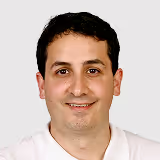
Marcel Kloos
Swiss-licensed dentist and founder of Medschool Experts
Marcel Kloos founded Medschool Experts while studying abroad; since then, over 500 study places have been secured. The Stuttgart-born dentist studied dentistry from 2015 to 2021 in Sofia and holds a Swiss dental licence.
Today he lives in Bern and runs Medschool Experts full-time as its owner.
More articles worth reading
Health Insurance for International Medical Students in Europe 2026
Scholarships and Funding for Medical Studies in Europe 2026
Medicine, Dentistry, Pharmacy or Veterinary Medicine? Choosing Your Degree Abroad in 2026
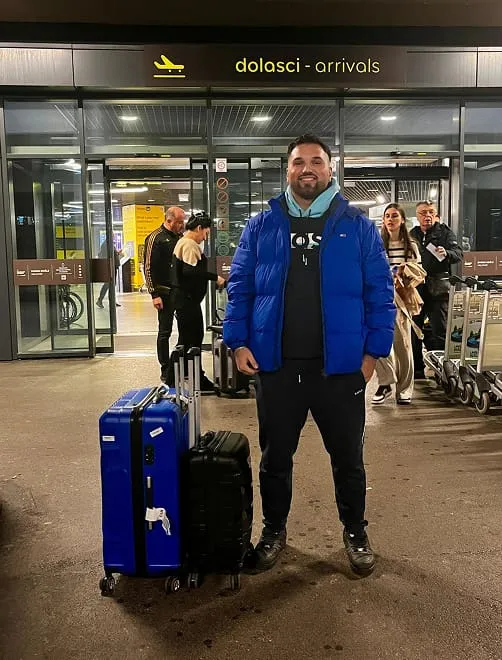
Ahmad
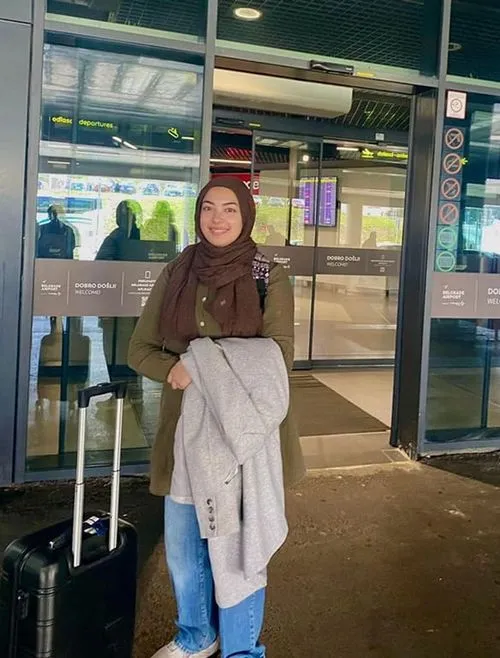
Sabrina
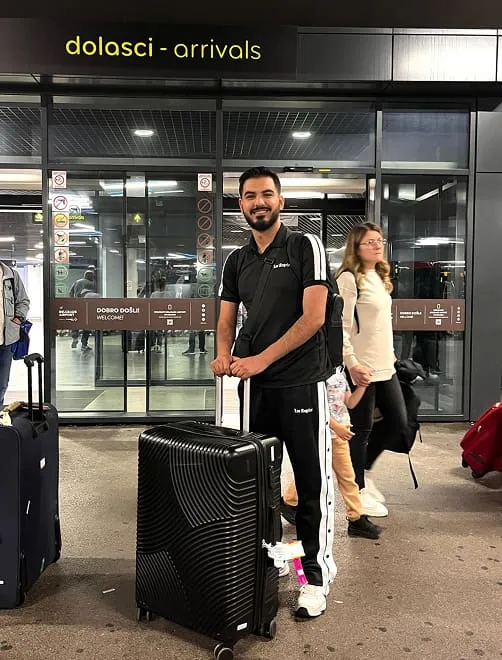
Rami
Noah
500+ students placed.
Now it's your turn!
No daydreaming, no empty promises. Just a clear plan — for the start of your medical degree.
40 minutes, no obligation