Study Medicine in Bulgaria
Five universities, English-medium instruction, no numerus clausus: Bulgaria has been an EU member since 2007 and offers one of the most direct routes to a European medical degree.
At a glance
The key facts about studying medicine in this country.
Universities
5 locations
Tuition fees
9.000–10.000 EUR per year
Living costs
400–600 EUR per month
Language of instruction
English
Duration
6 years, pharmacy 5 years
Admission process
Entrance examination
Recognition
Automatically recognised across the EU
EU status
EU member since 2007
Why international students study here
Bulgaria has been a member of the European Union since 2007, and that is precisely what makes the country interesting for international applicants without top grades: a degree from a Bulgarian medical university is valid throughout the EU. There is no numerus clausus. Admission is decided by an entrance examination in biology and chemistry. Five locations are available, and teaching at all five is in English.
The five universities in Bulgaria
The Medical University of Sofia is the largest and most traditional in the country and is the only one of the five locations to offer pharmacy in addition to medicine and dentistry. The Medical University of Plovdiv and the Medical University Prof. Dr. Paraskev Stoyanov Varna offer medicine and dentistry. The Medical University of Pleven and the Trakia University Stara Zagora offer medicine only. Varna is situated on the Black Sea and has a large international cohort; Plovdiv is the second-largest city in Bulgaria with a very vibrant old town; Pleven and Stara Zagora are smaller, quieter, and considerably more affordable for everyday life. Marcel Kloos, founder of Medschool Experts, studied dentistry in Sofia himself from 2015 to 2021.
Who Bulgaria suits
Bulgaria suits applicants who want to start in autumn and do not wish to learn the local language to academic level beforehand. English is sufficient for instruction. Those who want to study dentistry have three locations to choose from in Bulgaria — Sofia, Plovdiv, and Varna — at fees below those of most Western European private universities. The journey is also manageable: there are direct flights to Sofia and Varna from several airports.
Where it gets tricky
Teaching is conducted in English, but daily life in Bulgaria is not. Rental contracts, residence permits, shopping, and medical appointments are all in Bulgarian, and the universities include Bulgarian as a compulsory subject in the early years of study. This is not a minor subject you can coast through. From the clinical phase onward, every student stands at the bedside and must take a patient history in Bulgarian. Those who neglect the subject in the first two years will face a real problem on the ward later on.
All universities in this country
Each university with programmes, fees and language of instruction — one click leads to the full university page.
What does studying medicine here cost?
Tuition fees in Bulgaria range from 4,500 to 5,000 EUR per semester depending on the location. The most affordable are the Medical University of Pleven and the Trakia University Stara Zagora, each at 4,500 EUR per semester. The Medical University of Plovdiv and the Medical University Prof. Dr. Paraskev Stoyanov Varna charge 5,000 EUR per semester, for both medicine and dentistry. At the Medical University of Sofia, medicine costs 4,975 EUR per semester and dentistry 5,000 EUR per semester. Per academic year, this amounts to 9,000 to 10,000 EUR.
The range is narrow. Between the most affordable and the most expensive location in Bulgaria there is a difference of 1,000 EUR per year — less than the difference in rent between Sofia and Pleven. The choice of location in Bulgaria therefore depends more on city, program, and hospital connections than on fees.
For living costs, students in Bulgaria should budget 400 to 600 EUR per month. Rents in Sofia and Varna fall at the upper end, in Pleven and Stara Zagora at the lower end. A room in a shared flat, local transport, food, and health insurance are included in this figure; larger purchases and flights home are not.
A rough estimate for an academic year in Bulgaria: 9,000 to 10,000 EUR in fees plus approximately 6,000 EUR in living costs at 500 EUR per month, coming to 15,000 to 16,000 EUR. In the first year, one-off expenses such as books, a white coat, an instrument kit in dentistry, and setting up the apartment should be added. These figures are a guide, not a guarantee.
How does the application process work?
Applications for medical studies in Bulgaria run in spring and summer for the start of studies in autumn. Lectures begin at all five universities in early October. Those who decide early have a wider choice of locations, because the English-language cohorts in Sofia, Plovdiv, and Varna have fixed numbers of places and generally fill up before the later deadlines. There is no spring intake at the medical universities in Bulgaria. Those who miss the autumn date lose a year.
Admission in Bulgaria is decided by an entrance examination in biology and chemistry. It is based on upper secondary school content and is written in English. Targeted preparation for this examination is possible, as the content is clearly defined and the structure of the questions repeats from cohort to cohort. An interview in the sense of a motivational interview is not the decisive factor — subject knowledge is what matters. Proof of sufficient English proficiency and a high school diploma or equivalent are also required. A specific grade point average is not a prerequisite — there is no numerus clausus in Bulgaria.
How the process looks in each individual case depends on the location, the program, and the applicant's own academic record. Medschool Experts goes through the dates, examination content, deadlines, and the question of which university in Bulgaria realistically suits each applicant's profile, point by point in a personal consultation. The consultation is free of charge.
Is the degree recognised internationally?
Medicine and dentistry are among the professions whose training is harmonized across the EU by the Professional Qualifications Directive 2005/36/EC. Bulgaria has been a member of the European Union since 2007, and the Bulgarian medical universities are listed in Annex V of this Directive. Degrees are therefore automatically recognized across the EU. There is no equivalency assessment and no knowledge examination.
Contact the competent licensing authority in your target country for specific requirements. Language proficiency, registration steps, and timelines vary by country.
In Switzerland, recognition of a Bulgarian degree is handled by MEBEKO; in Austria, by the Austrian Medical Association. Both procedures are based on the same EU Directive.
Note that degree recognition and credit transfer during studies are separate matters. If you wish to transfer to another university during your studies, the receiving institution decides on the recognition of credits earned to date — this is handled on a case-by-case basis.
Studying and everyday life on site
Medical studies in Bulgaria last six years and are divided into a preclinical and a clinical phase. Pharmacy at the Medical University of Sofia is structured over five years. Teaching is tightly structured: fixed groups, compulsory attendance at seminars and practicals, and regular colloquiums during the semester. Those who let the colloquiums slip will not be admitted to the semester examination. Oral examinations are the norm in Bulgaria, not the exception.
Anatomy in the first two years is considered the tough filter at all five universities. From the fourth year, studies shift to the university hospitals; in dentistry, patient work begins earlier. The sixth year is a practical year at the affiliated hospitals. Summer internships between academic years are part of the mandatory program and can often be completed on request in other countries as well.
For accommodation, most students rely on the private market — dormitory places are scarce. In Sofia and Varna the search is more expensive and demanding than in Pleven, Plovdiv, or Stara Zagora, but the range of options is larger. German-speaking students are present at all five locations in Bulgaria; in Sofia, Varna, and Plovdiv the cohorts are the most international. These networks of past lecture notes, study groups, and housing tips are worth more in the first year than any travel guide.
Frequently asked questions about studying medicine in this country
Is a numerus clausus required for medical studies in Bulgaria?
No. There is no numerus clausus in Bulgaria. Admission to the five medical universities in Sofia, Plovdiv, Varna, Pleven, and Stara Zagora is decided by an entrance examination in biology and chemistry at upper secondary school level. Grades are not the decisive factor — the result of the examination is.
Can you study medicine in Bulgaria in German?
No. All five medical universities in Bulgaria teach their international programs in English. Bulgarian is added as a compulsory subject in the early years of study, because patient consultations from the clinical phase onward are conducted in Bulgarian. A German-language medical program is instead available in Hungary and Croatia.
What does an academic year in Bulgaria cost?
Tuition fees range from 4,500 to 5,000 EUR per semester, i.e., 9,000 to 10,000 EUR per academic year. At the lower end are the Medical University of Pleven and the Trakia University Stara Zagora; at the upper end are Sofia, Plovdiv, and Varna. For living costs in Bulgaria, an additional 400 to 600 EUR per month should be estimated.
Is a medical degree from Bulgaria recognized internationally?
Yes, automatically. Bulgaria has been an EU member since 2007, and medicine and dentistry fall under Directive 2005/36/EC. No equivalency or knowledge examination is required. Contact the competent licensing authority in your target country for specific requirements. Language proficiency, registration steps, and timelines vary by country.
Can you study dentistry in Bulgaria?
Yes. Dentistry is available in Bulgaria at the Medical University of Sofia, the Medical University of Plovdiv, and the Medical University Prof. Dr. Paraskev Stoyanov Varna. Fees are 5,000 EUR per semester. Patient work begins earlier than in medicine, which makes Bulgarian particularly important here.
Is it possible to transfer from Bulgaria to a university abroad?
A transfer is possible in principle, but not guaranteed. The decision on recognition of credits earned in Bulgaria rests solely with the receiving institution, and free places in higher semesters are rare. Many students therefore stay in Bulgaria until graduation, since the degree is automatically recognized across the EU regardless.
How secure is a study place in Bulgaria?
The English-language cohorts at the universities in Bulgaria have fixed numbers of places and fill up during spring and summer. Those who pass the entrance examination and apply early have good prospects. No acceptance is given before the examination has been passed, and no one should promise otherwise.
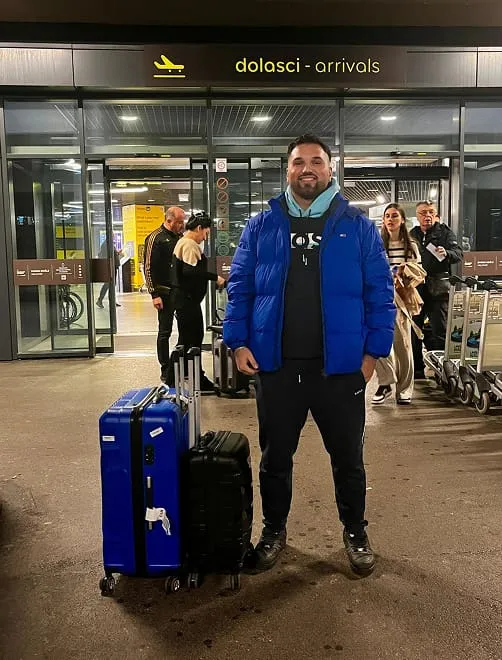
Ahmad
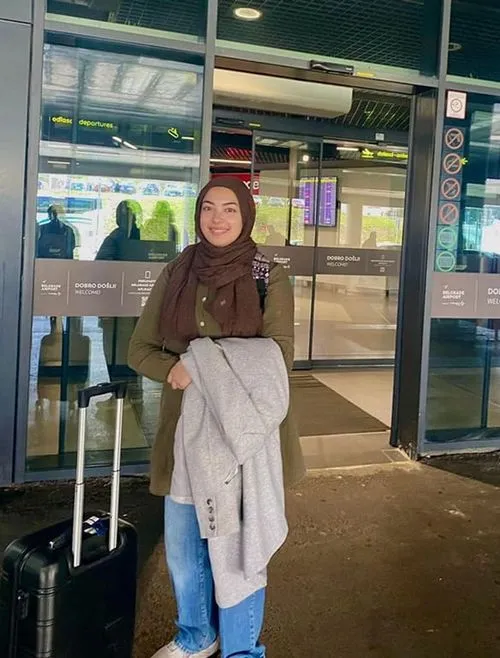
Sabrina
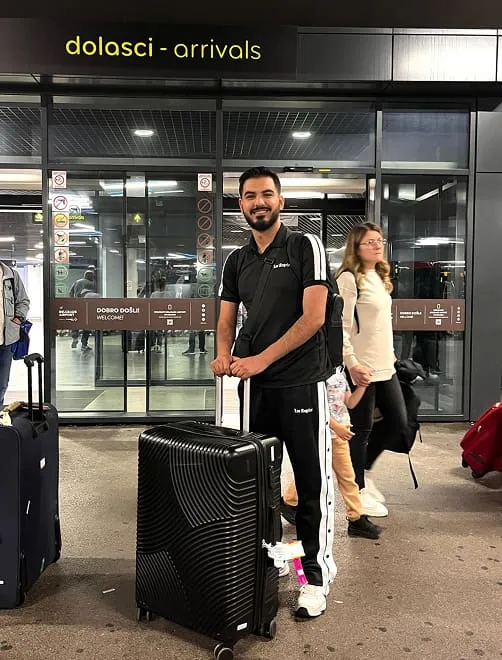
Rami

Noah
500+ students placed.
Now it's your turn!
No daydreaming, no empty promises. Just a clear plan — for the start of your medical degree.
40 minutes, no obligation