Study Medicine in Slovakia
Two public medical faculties in Bratislava and Košice, English-medium instruction, admission without numerus clausus and an EU degree since 2004.
At a glance
The key facts about studying medicine in this country.
Universities
2 locations
Tuition fees
13.000–14.500 EUR per year
Living costs
500–750 EUR per month
Language of instruction
English
Duration
6 years
Admission process
Entrance examination
Recognition
Automatically recognised across the EU
EU status
EU member since 2004
Why international students study here
Slovakia has been a member of the European Union since 2004, and a medical degree from Slovakia is automatically recognized within the EU. The country has been training doctors for the European market for decades and has long admitted international students into English-language programs. Two locations are available: Bratislava in the west on the Danube, and Košice in the east of the country. Both are state universities, not private institutions.
Bratislava and Košice Compared
Comenius University Bratislava, Faculty of Medicine is the largest and most prestigious medical faculty in Slovakia and offers human medicine as well as dentistry. Human medicine costs 6,500 EUR per semester, dentistry 7,250 EUR per semester. Bratislava is located directly on the Austrian border, with Vienna less than an hour away by train. For applicants from neighboring countries, this is one of the shortest journeys home among all study locations in Eastern Europe.
Pavol Jozef Šafárik University Košice covers human medicine, dentistry, and veterinary medicine. Human medicine costs 6,500 EUR per semester, dentistry 6,750 EUR per semester — less than in Bratislava. Košice is the second largest city in Slovakia, noticeably more affordable in everyday life and more focused around its own student population. Those who want to study dentistry on a tighter budget will find the more affordable of the two locations in Košice.
What Slovakia Demands
The medical faculties in Slovakia have a reputation for rigorous examination. Anatomy in Bratislava and Košice is examined orally, and failure rates in the first two years are noticeable. That is the honest caveat. Those looking for a program that takes care of itself on the side are in the wrong place. Slovak is also a mandatory accompanying subject, because from the clinical phase onward, Slovak patients must be interviewed. With only two locations, the options are more limited than in Poland or Hungary. If the entrance examination comes back negative at both faculties, there is no third option within Slovakia.
All universities in this country
Each university with programmes, fees and language of instruction — one click leads to the full university page.
What does studying medicine here cost?
Both universities in Slovakia bill per semester. Comenius University Bratislava, Faculty of Medicine charges 6,500 EUR per semester for human medicine, that is 13,000 EUR per academic year, and 7,250 EUR per semester for dentistry, which amounts to 14,500 EUR per year. Pavol Jozef Šafárik University Košice charges 6,500 EUR per semester for human medicine and 6,750 EUR per semester for dentistry, that is 13,000 and 13,500 EUR per year respectively. Across both locations, the range runs from 13,000 to 14,500 EUR per academic year. Human medicine costs the same in Bratislava and Košice; the difference lies solely in dentistry.
For everyday expenses, 500 to 750 EUR per month is realistic. Bratislava sits at the upper end because the housing market in the capital is pulled up by proximity to Vienna. In Košice you pay noticeably less for a room in a shared apartment.
Both faculties invoice fees per semester rather than as an annual sum in advance. This spreads the financial burden over the year. It does become costly, however, if a year of study has to be repeated, as two additional semester contributions plus living costs then apply.
An estimate for one academic year of human medicine in Košice: 13,000 EUR in tuition fees plus ten months at approximately 550 EUR, totaling around 18,500 EUR. The same calculation for dentistry in Bratislava gives 14,500 EUR in fees plus approximately 7,000 EUR in living costs, that is around 21,500 EUR. Textbooks, instrument kits for dental studies, and travel home come on top. These figures are approximations for your own planning.
How does the application process work?
Slovakia allocates its English-language medical study places independently of any numerus clausus. The faculties in Bratislava and Košice evaluate applications themselves; at the center of the process is an entrance examination in biology and chemistry, with a practical or manual component typically added for dentistry. The content corresponds to the scientific school knowledge of upper secondary level.
A general high school diploma or equivalent is not the only route in. You can also apply in Slovakia with a vocational school diploma, and equally with a completed vocational qualification in the healthcare field, such as a nursing qualification. No place is guaranteed by this, because Bratislava and Košice review each application individually and decide ultimately based on the entrance examination. Whether your qualification is sufficient is something we clarify in advance in a free advising session.
The application window falls in spring and early summer; studies begin in September. Proof of sufficient English proficiency is part of the application, since all instruction in both cities is in English. Anyone who does not pass the entrance examination in one year can reapply the following year. Both faculties run their processes independently of each other, so an application to Bratislava does not preclude applying to Košice as well. A study place is only binding once the written acceptance from the university has been received.
Preparation pays off. The entrance examinations at Comenius University Bratislava, Faculty of Medicine and at Pavol Jozef Šafárik University Košice are not intended as a formality — they genuinely sort applicants. Anyone who stopped studying biology and chemistry after tenth grade should plan for several months of preparation.
Medschool Experts organizes the application and admissions process at both faculties for you, including parallel applications to Bratislava and Košice if desired. The process typically runs entirely online; we take care of the documentation. What needs to be considered in your individual case depends on your educational background, prior knowledge, and preferred program, and therefore belongs in a personal conversation.
Is the degree recognised internationally?
Slovakia has been a member of the European Union since 2004. Human medicine and dentistry are among the professions for which Directive 2005/36/EC on the recognition of professional qualifications provides for automatic recognition. The state-recognized Slovak universities are listed in Annex V of this directive. A degree from Comenius University Bratislava, Faculty of Medicine or Pavol Jozef Šafárik University Košice is therefore automatically recognized within the EU — no equivalency assessment required and no aptitude test.
Contact the competent licensing authority in your target country for specific requirements. Language proficiency, registration steps, and timelines vary by country.
The same applies to dentistry as to human medicine. Directive 2005/36/EC covers both professions; a dentistry degree from Bratislava or Košice is therefore also automatically recognized within the EU.
For Switzerland, recognition of a Slovak medical degree runs through MEBEKO; for Austria, through the Austrian Medical Association.
What is recognized is the degree, not the subsequent specialist training. Anyone who wants to become a specialist after graduating in Slovakia will complete their specialist training fully according to the rules of the relevant authority in their target country. This applies equally to graduates of any university and is not a disadvantage of studying in Bratislava or Košice.
Studying and everyday life on site
Medical studies in Slovakia are structured over six years, as is dentistry. The first two years are dedicated to the pre-clinical phase with anatomy, histology, physiology, and biochemistry. Assessment in Bratislava and Košice is largely oral, often across several partial examinations distributed over the semester. Those coming from other school systems must first adjust to this pace.
From the third year onward, instruction takes place at the university clinics, in small groups with direct patient contact. This is precisely where Slovak becomes practical: instruction remains in English, but taking a patient history at the bedside is done in Slovak. That is why the language is a mandatory subject from the start. Clinical internships can also be completed abroad during semester breaks.
Bratislava is a compact capital with short distances, an old town on the Danube, and good rail connections to Vienna and onward. Košice has a large pedestrian zone, more affordable rents, and student life that revolves more closely around the university. Dormitory places exist at both locations, but many international students rent privately. The distances remain short.
International students have been represented at both faculties for years, in Bratislava particularly numerously due to its proximity to Austria. Contact runs through year group chats and student councils. Study groups form in the first weeks of the first semester, and joining early makes the oral anatomy examinations easier. You will find connections — but you have to seek them out.
Frequently asked questions about studying medicine in this country
Do you need a numerus clausus for medical studies in Slovakia?
No. Comenius University Bratislava, Faculty of Medicine and Pavol Jozef Šafárik University Košice allocate their international study places through their own entrance examination in biology and chemistry. The high school diploma or equivalent grade is not the selection criterion. A study place in Slovakia is therefore reachable even without top grades.
Can I study medicine in Slovakia with a vocational school diploma or equivalent?
Yes, that is possible. Alongside a general high school diploma or equivalent, a vocational school diploma is also a valid entry route in Bratislava and Košice, as is a completed vocational qualification in a healthcare field, such as nursing. This is not automatic — each case is reviewed individually. Whether it is sufficient in your situation is something we clarify in a free advising session before you apply.
Can one study medicine in German in Slovakia?
No. Both medical faculties in Slovakia teach their international students in English, in Bratislava as well as in Košice. Slovak comes as a mandatory accompanying subject because Slovak patients are interviewed from the clinical phase onward. A German-language medical degree program does not exist in Slovakia.
How much does a medical degree in Slovakia cost?
Human medicine costs 6,500 EUR per semester in both Bratislava and Košice, that is 13,000 EUR per academic year. Dentistry is 7,250 EUR per semester in Bratislava and 6,750 EUR per semester in Košice. Living costs of 500 to 750 EUR per month come on top, at the higher end in Bratislava.
Is the Slovak medical degree recognized within the EU?
Yes. Slovakia has been an EU member since 2004, and human medicine and dentistry fall under Directive 2005/36/EC. The degree from a state-recognized Slovak university is automatically recognized within the EU — no equivalency or aptitude test required. Contact the competent licensing authority in your target country for specific registration requirements.
How demanding is the medical degree in Slovakia?
The faculties in Bratislava and Košice examine rigorously, especially in anatomy in the first two years, and largely do so orally. Those who keep up with the material continuously will get through. Those who only start studying two weeks before the exam will find it harder in Slovakia than at a less examination-intensive faculty.
Is a transfer from Slovakia to a university in another country possible?
A transfer is possible but depends on available places in the appropriate semester at the receiving faculty. Academic credits from Slovakia are recognized via ECTS points. The number of transfer places at universities in other countries is limited, which is why many students complete their degrees in Bratislava or Košice and only move afterward for their specialist training.
How secure is the study place in Slovakia?
The place is only confirmed once the entrance examination has been passed and the written acceptance from the university has been received. Since there are only two medical locations in Slovakia for international applicants, the options are limited. A parallel application to a second country is therefore the more prudent approach in many cases.
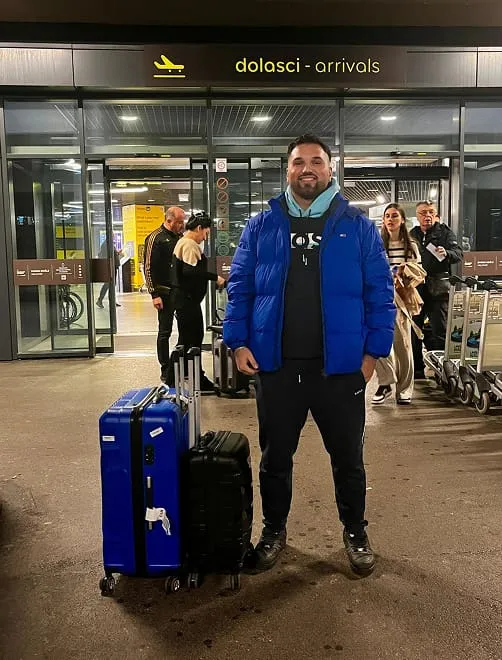
Ahmad
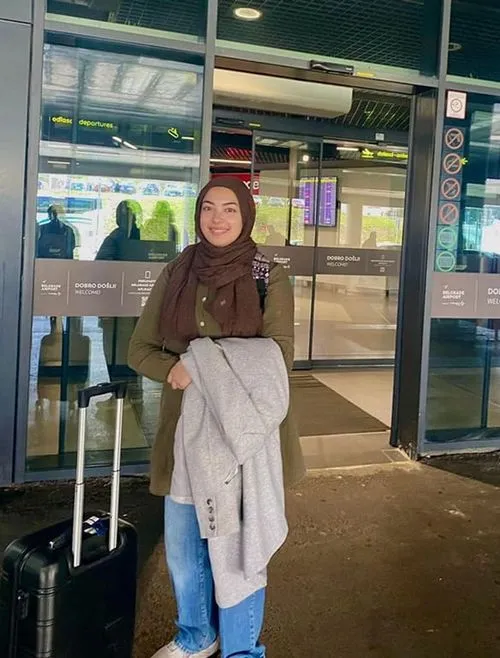
Sabrina
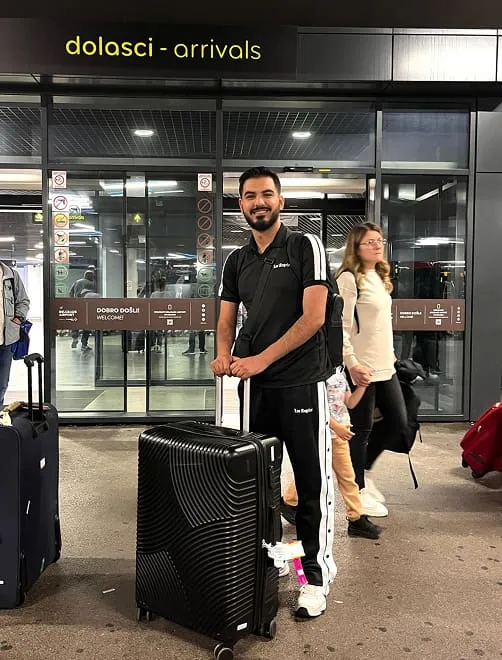
Rami
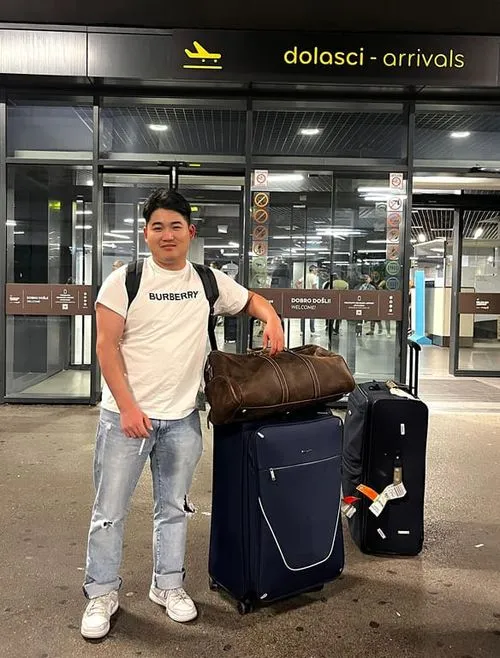
Noah
500+ students placed.
Now it's your turn!
No daydreaming, no empty promises. Just a clear plan — for the start of your medical degree.
40 minutes, no obligation