Study Medicine in Belgorod at Belgorod State National Research University, Medical Institute
Belgorod State National Research University, Medical Institute · Russia
Study medicine in Belgorod at the Medical Institute of Belgorod State National Research University, a full university of about 28,000 students that teaches its six-year medical degree in English.
Last updated
University profile
The key facts about this university at a glance.
Programmes
Medicine
Tuition fees
around 3,700 to 5,050 € per year
Duration
6 years
Language of instruction
English (clinical work in Russian)
Admission process
Intake
September
Recognition
Internationally recognised · recognition in the EU via the national licensing procedure
Living costs
250 to 400 EUR per month
Total students
How Safe Is This Study Location?
Based on assessments from residents and visitors collected by Numbeo over the past five years.
6 years
4400
Weather through the year
Average daytime highs by month.
✓ Placement without a grade cut-off — we place you regardless of your school-leaving grades. We go through the specific requirements together.
Get free advice →Where this university is
Drag the map to place the university in Europe — and to judge how far it is from home.
Why study medicine abroad at this university?
Most Russian doctors train at stand-alone medical universities. Belgorod is different: its Medical Institute is one of ten institutes of Belgorod State National Research University (BelSU), a full university with about 28,000 students and the status of a national research university. BelSU also takes part in the state funding programme “Priority 2030”.
How old is the university in Belgorod?
Its roots go back to 26 September 1876, when a teacher-training institute opened in the town. After several reorganisations the school had to close during the Second World War, as Belgorod was almost completely destroyed. It reopened in Stary Oskol in 1944 and returned to Belgorod in 1957. Over the following decades the teachers' college grew into a university covering medicine, pharmacy, the natural sciences, economics and engineering.
For you as a medical student this has practical advantages. Library, sports facilities and research infrastructure are shared across all subjects. The library system has eleven reading rooms and more than 1.2 million items, and the sports complex includes a 50-metre pool. Since 2015 the regional microbiology centre has been based at the university, alongside around 50 research centres and laboratories.
About 4,300 students from roughly 100 countries are enrolled. BelSU is public and state-accredited and offers medicine as a six-year specialist degree in English.
Degree recognized in India
Your degree from Belgorod State National Research University, Medical Institute is recognized in India: the university is listed in the World Directory of Medical Schools, so graduates can sit the FMGE/NExT licensing exam and register with the National Medical Commission.
Still comparing universities? The annual fee of 20 English-taught faculties is in one table in our guide to studying medicine in Europe in English.
- Roots going back to 1876, back in Belgorod since 1957
- Public national research university, state-accredited
- About 28,000 students in ten institutes, including the Medical Institute
- About 4,300 international students from around 100 countries
- Dormitory at 20,000 roubles a year
- Library with over 1.2 million items, sports complex with a 50-metre pool
Study medicine or dentistry: programmes and language of instruction
Structure, duration, language of instruction and degree — for every programme at this university.
- Medicine (English): six-year specialist degree at the Medical Institute of BelSU, with science teaching shared across the research university and clinical rotations in Belgorod's regional hospitals.
Study conditions and campus life abroad
The English-taught medical degree runs for six years and starts in September. In the science-heavy first years you benefit from the full university: laboratories and research centres are not reserved for medicine, and you meet lecturers from biology, chemistry and pharmacy.
In the clinical phase you move into the large hospitals of Belgorod. Russian is the working language there, so you learn it from the beginning. As the regional capital, the city treats patients from the whole oblast. Year six is mostly practical: you rotate through internal medicine, surgery, obstetrics and gynaecology, and paediatrics, taking on more tasks on the ward under supervision.
Admission: how to get a place to study medicine abroad
Belgorod offers the resources of a large research university at a moderate price, but its location near the border needs careful thought. In a free consultation we weigh both sides with you and tell you whether BelSU's Medical Institute fits your plans.
Study medicine abroad at 350+ universities worldwide
- The right university and a secure placement
- A study place abroad with an internationally recognised degree
- Support with your start, preparation and finding accommodation
- Help with transferring to another university
- Guidance all the way to your first job
Preparing properly with Medschool Experts
We help you with the Russian student visa, the train journey from Moscow and migration registration after you arrive in Belgorod. Before you decide, we go through the current situation in the city and the official travel advice with you, and we help you apply for a place in the university dormitory.
Tuition fees and living costs to study medicine abroad
Tuition for medicine in English is around 3,700 to 5,100 € a year; we confirm the figure for your year of study in the consultation.
The dormitory is a real saving: BelSU charges 20,000 roubles a year plus a 6,000-rouble deposit, roughly 290 € for the first year. Private one-room flats start at about 120 to 180 € a month. Visa, health insurance and travel come on top, and 250 to 400 € a month covers food, transport and everyday costs.
Degree recognition and career prospects
A degree with international standing
Belgorod's Medical Institute appears in the World Directory of Medical Schools, and the qualification it awards after six years is accepted around the globe. Holders of the Belgorod diploma sit the American USMLE, the Canadian MCCQE, the British PLAB or the Australian AMC exam, and they register with the medical board at home.
Inside the EU, the Russian diploma can be recognised in each of the 27 member states. Germany asks graduates from Russia to pass the Kenntnisprüfung, its knowledge test at the level of the final state exam; the state licensing office then issues the Approbation, Germany's licence to practise. Austria, Switzerland and the remaining EEA nations each run a transparent assessment of their own.
Plenty of doctors trained outside the EU have walked this road before you. We draw up your personal timeline during the first semester, so that language preparation, documents and exam dates fit together.
Alumni now practising internationally
Former students of this university who, according to publicly available sources, now work as doctors or dentists internationally. Anonymised overview — not an indication of any cooperation with Medschool Experts.
The city as a place to study medicine
Belgorod lies on the Seversky Donets in southern Russia's fertile black-earth belt and has just under 340,000 inhabitants. The name means “white town” and refers to the chalk hills around it. Founded in 1596 as a border fortress, it is now the centre of a region known for iron-ore mining, cement and large-scale farming.
The climate is milder than at most Russian university towns: January averages about −6 °C, July just under 22 °C. Belgorod is green and compact, and many trips are on foot or by bus.
The location has another side you need to know about. The city is only about 40 kilometres from the border with Ukraine and has repeatedly been hit by attacks since 2022. Its airport has been closed to scheduled flights since February 2022, so you travel via Moscow and continue by train on a line that has linked the two cities since 1869.
- Regional capital in south-western Russia, on the Seversky Donets
- Just under 340,000 inhabitants
- Founded in 1596; name means “white town” after the chalk hills
- About 40 km from the Ukrainian border
About the author
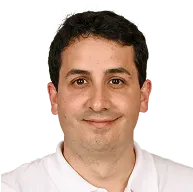
Marcel Kloos
Federally recognised dentist, founder and owner of Medschool Experts
Marcel Kloos founded the company while still studying abroad himself; since then more than 500 study places have been arranged. Originally from Stuttgart, he studied dentistry in Sofia from 2015 to 2021 and is a federally recognised dentist.
He now lives in Bern and runs the company full-time as its owner. He visits the partner universities in person on a regular basis.
Student reviews
Reviews by current and former students. We publish positive and negative reviews alike and state whether we placed the reviewer. Medschool Experts is a paid placement agency, so we are not an independent review site.
More universities to study medicine in this country
Compare the universities in the same country — programmes, fees and language of instruction side by side.
Student story
Videos about this university
Campus tour, first-hand accounts from students on the ground and answers to the most common questions — to watch rather than read.
Our curated universities
Our curated Top 20 — selected from the world's largest choice of universities for medicine, dentistry, pharmacy and veterinary medicine, independent of your high school diploma grades. We recommend each of these particularly, based on years of experience.
Problems at your university? Switch universities or train abroad
Exams not going well, trouble with the faculty, costs that have got out of hand, or you are simply not happy with the support you have had so far, including ours? You have options. We advise you free of charge on changing university and on completing parts of your clinical training abroad.
Change university
Move to another university and continue in a higher semester, usually without losing a year. We check your credits, find the right semester and handle the paperwork.
Clinical rotations abroad
Stay enrolled and complete single clinical blocks or rotations at a hospital abroad. You gain new hands-on experience and a fresh perspective on your degree.
Clinical internships abroad
Spend a few weeks at a hospital in another country, for example during the semester break, and see patients, ward routines and medicine from a different angle.
FAQ: studying medicine abroad at this university
How much does the BelSU dormitory cost?
20,000 roubles a year plus a one-off deposit of 6,000 roubles. That makes it one of the cheapest ways to live as a student in Russia.
What is the tuition for medicine at BelSU?
Around 3,700 to 5,100 € a year for the English-taught degree. Living costs add roughly 250 to 400 € a month.
Is the Medical Institute a university of its own?
No, it is one of ten institutes of Belgorod State National Research University. You study at a full university with a shared library, sports facilities and research centres.
Which steps lead from Belgorod to a German medical licence?
Two: the Kenntnisprüfung, Germany's knowledge test for degrees earned outside the EU, and afterwards the Approbation from the licensing office of the federal state you settle in. Other European countries assess a Russian diploma through their own health authorities, and we fix the timing of language certificates and the exam with you well before graduation.
What is the weather like in Belgorod?
Mild for Russia. January averages about −6 °C and July just under 22 °C.
How do students reach Belgorod at present?
Via Moscow, then by train. The local airport has been closed to scheduled flights since February 2022.

Ahmad

Sabrina

Rami

Noah
500+ students placed.
Now it's your turn!
No daydreaming, no empty promises. Just a clear plan — for the start of your medical degree.
40 minutes, no obligation