Study Medicine or Dentistry in Wrocław at Wroclaw Medical University
Wroclaw Medical University · Wroclaw · Poland
Study medicine or dentistry in Wrocław at Wroclaw Medical University, whose English Division has taught international students since 2005/06.
Last updated

University profile
The key facts about this university at a glance.
Programmes
Medicine, Dentistry and Nursing
Tuition fees
Medicine approx. €15,670 per year, Dentistry approx. €18,160 per year (2026/2027)
Duration
Medicine 6 years, Dentistry 5 years
Language of instruction
English
Admission process
Assessed individually in a free consultation
Intake
October (autumn semester)
Recognition
Internationally recognised · automatic recognition in the EU, EEA and Switzerland
Living costs
approx. 550 to 750 EUR per month
Total students
6200
How Safe Is This Study Location?
Based on assessments from residents and visitors collected by Numbeo over the past five years.
74.9
140
Medicine 6 years, Dentistry 5 years
15670
650
Weather through the year
Average daytime highs by month.
✓ Placement without a grade cut-off — we place you regardless of your school-leaving grades. We go through the specific requirements together.
Get free advice →Where this university is
Drag the map to place the university in Europe — and to judge how far it is from home.
Why study medicine abroad at this university?
Medicine has been taught in Wrocław since 1745, when the Collegium Medico-Chirurgicum opened as the city's first medical school. The present institution grew out of the post-war years. In 1945 a Faculty of Medicine was set up within the new University and Polytechnic of Wrocław, with Ludwik Hirszfeld as its first dean and many professors who had come from Lviv. On 1 January 1950 the faculty became part of the newly founded Medical Academy, which today carries the name Wroclaw Medical University.
What is the university known for?
Two Polish firsts happened here: the first open-heart operation in the country in 1958 and the first kidney transplant from a living donor in 1966. Today about 6,400 students and 300 doctoral candidates study in six faculties, including medicine, medicine and dentistry, pharmacy and health sciences, with nearly 200 chairs, departments and clinics between them. The university also keeps a Museum of Pharmacy and a Museum of Forensic Medicine.
The English Division was created in 2003 and began teaching in 2005/06; its first dentists graduated in 2010/11. Clinical teaching is centred on the Jan Mikulicz-Radecki University Clinical Hospital, opened in 2002, with 25 clinics and 29 departments. The Faculty of Medicine is led by Dean Prof. Robert Zymliński, a cardiologist who heads cardiac intensive care at the university's Institute of Heart Diseases.
Degree recognized in India
Your degree from Wroclaw Medical University is recognized in India: the university is listed in the World Directory of Medical Schools, so graduates can sit the FMGE/NExT licensing exam and register with the National Medical Commission.
Student voices: What students say about studying medicine in Wrocław
Students on the English-taught programmes in Wrocław talk about a demanding course, a beautiful city and a university where newcomers quickly feel welcome. Two voices in their own words.
„Studying at Wroclaw Medical University has been a great experience so far.“
Hilda, medical student [1]
„[…] everyone was so warm and welcoming […]“
Erasmus medical student [2]
Sources
- Student voices from the English-taught programmes, website of Wroclaw Medical University, accessed on 21 November 2026
- Report by an Erasmus student, website of Wroclaw Medical University, accessed on 21 November 2026
The statements refer to the university and to studying in Wrocław, not to Medschool Experts.
Still comparing universities? The annual fee of 20 English-taught faculties is in one table in our guide to studying medicine in Europe in English.
- Medical teaching in Wrocław since 1745; Medical Academy founded 1 January 1950
- Public medical university
- About 6,400 students in six faculties
- English Division since 2003, teaching since 2005/06
- University Clinical Hospital: 25 clinics, 29 departments
- Programmes in English: medicine (6 years) and dentistry (5 years), start in October
- Want to know if it fits you? Book a free study consultation
Study medicine or dentistry: programmes and language of instruction
Structure, duration, language of instruction and degree — for every programme at this university.
- Medicine (lekarz): Six years in English, with clinical blocks at the Jan Mikulicz-Radecki University Clinical Hospital and a fully practical final year.
- Dentistry (lekarz dentysta): Five years in English, starting with phantom courses and moving to supervised patient care; the English Division has produced dentists since 2010/11.
Study conditions and campus life abroad
Medicine takes six years in English. In years one and two you work through anatomy, physiology, biochemistry, histology and embryology, with Polish lessons running alongside so you can talk to patients later. From the third year the clinical subjects arrive: internal medicine, surgery, paediatrics, gynaecology, neurology and psychiatry, each with placements at the university hospital in Wrocław. The sixth year is fully practical.
Dentistry runs for five years and is hands-on early: phantom courses in the pre-clinical phase, then treatment of patients under supervision. Graduates receive the Polish titles lekarz (doctor) or lekarz dentysta (dentist).
Admission: how to get a place to study medicine abroad
Wroclaw Medical University combines a long English Division tradition with its own large clinical hospital in Lower Silesia's capital. In a free consultation we look at whether medicine or dentistry here fits your plans and budget.
Study medicine abroad at 350+ universities worldwide
- The right university and a secure placement
- A study place abroad with an internationally recognised degree
- Support with your start, preparation and finding accommodation
- Help with transferring to another university
- Guidance all the way to your first job
Preparing properly with Medschool Experts
We handle the formalities around your application and help you with the study visa if you come from outside the EU, then with enrolment and paperwork once you arrive in Wrocław. Since the airport is just 10 km from the centre, getting home between semesters is simple, and we stay your contact throughout your studies.
Tuition fees and living costs to study medicine abroad
For 2026/2027 the official fee is PLN 67,900 a year for medicine, roughly €15,670, and PLN 78,700 for dentistry, roughly €18,160, converted at the National Bank of Poland reference rate of September 2026. Because the fee is set in złoty, the euro amount moves with the exchange rate.
One-off costs include the application fee, visa where needed, health insurance, travel and a rental deposit. For rent and day-to-day life, plan on about €550–750 a month.
Degree recognition and career prospects
Graduates of Wroclaw Medical University apply for the German licence to practise (Approbation) with nothing more than their diploma and German at a professional level: no knowledge test, no extra examination. The same automatic step applies in Austria, Switzerland and the remaining EU and EEA states, each through its own competent authority.
This is possible because Poland's EU membership places the degree under Directive 2005/36/EC, which recognises it across the whole Union, the EEA and Switzerland without a case-by-case review. Specialist training then continues on the same terms as for any domestic graduate.
The degree also carries weight outside Europe, supporting the licensing exams of the USA, Canada, the United Kingdom and Australia and registration in a graduate's home country.
Alumni now practising internationally
Former students of this university who, according to publicly available sources, now work as doctors or dentists internationally. Anonymised overview — not an indication of any cooperation with Medschool Experts.
The city as a place to study medicine
Wrocław is the capital of Lower Silesia and, with about 672,000 residents, Poland's third-largest city; around 1.25 million people live in the metropolitan area. For centuries it was Breslau, part of Prussia and later the German Empire. It received city rights in 1214 and became Polish after 1945.
The oldest part is Ostrów Tumski, the cathedral island where the first settlement stood. A short walk away, the Market Square ranks among the largest in Europe, and the bronze dwarfs hidden around the old town, a legacy of the 1980s Orange Alternative protest movement, have become the city's mascot. Centennial Hall, built by Max Berg in 1911–1913, is a UNESCO World Heritage Site. Wrocław was European Capital of Culture and World Book Capital in 2016.
Weather is on your side: with an annual mean of 9.7 °C, Wrocław is the warmest major city in Poland, and July days average around 25.6 °C. Copernicus Airport lies only 10 km south-west of the centre and has direct flights to hubs such as Frankfurt and Munich.
- Capital of Lower Silesia, Poland
- Population: about 672,000, third-largest city in Poland
- Warmest major city in Poland, annual mean 9.7 °C
- Living costs: approx. 550 to 750 EUR per month
- Centennial Hall: UNESCO World Heritage Site
About the author
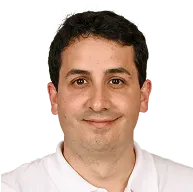
Marcel Kloos
Federally recognised dentist, founder and owner of Medschool Experts
Marcel Kloos founded the company while still studying abroad himself; since then more than 500 study places have been arranged. Originally from Stuttgart, he studied dentistry in Sofia from 2015 to 2021 and is a federally recognised dentist.
He now lives in Bern and runs the company full-time as its owner. He visits the partner universities in person on a regular basis.
Student reviews
Reviews by current and former students. We publish positive and negative reviews alike and state whether we placed the reviewer. Medschool Experts is a paid placement agency, so we are not an independent review site.
More universities to study medicine in this country
Compare the universities in the same country — programmes, fees and language of instruction side by side.
Student story
Videos about this university
Campus tour, first-hand accounts from students on the ground and answers to the most common questions — to watch rather than read.
Our curated universities
Our curated Top 20 — selected from the world's largest choice of universities for medicine, dentistry, pharmacy and veterinary medicine, independent of your high school diploma grades. We recommend each of these particularly, based on years of experience.
Problems at your university? Switch universities or train abroad
Exams not going well, trouble with the faculty, costs that have got out of hand, or you are simply not happy with the support you have had so far, including ours? You have options. We advise you free of charge on changing university and on completing parts of your clinical training abroad.
Change university
Move to another university and continue in a higher semester, usually without losing a year. We check your credits, find the right semester and handle the paperwork.
Clinical rotations abroad
Stay enrolled and complete single clinical blocks or rotations at a hospital abroad. You gain new hands-on experience and a fresh perspective on your degree.
Clinical internships abroad
Spend a few weeks at a hospital in another country, for example during the semester break, and see patients, ward routines and medicine from a different angle.
FAQ: studying medicine abroad at this university
How much is medicine at Wroclaw Medical University per year?
PLN 67,900 for 2026/2027, about €15,670. Dentistry costs PLN 78,700, about €18,160. Add roughly €550–750 a month for living.
How does a Wroclaw Medical University degree translate into practice abroad?
Because Poland is an EU member state, the lekarz and lekarz dentysta degrees are recognised automatically across the EU, the EEA and Switzerland under Directive 2005/36/EC. In Germany that means applying directly for the licence to practise (Approbation) with your diploma and the required German level, with no knowledge test involved. The Polish LEK exam and staż internship only matter if you choose to work in Poland itself.
Which hospital trains Wrocław's English Division students?
Mainly the Jan Mikulicz-Radecki University Clinical Hospital, with 25 clinics and 29 departments, together with the university's Institute of Heart Diseases.
Why do people call Wrocław the city of a hundred bridges?
Because the Oder and four tributaries split the city into islands linked by many bridges, Tumski Bridge to Cathedral Island among them.
Is dentistry in Wrocław more expensive than medicine?
Yes, by about €2,500 a year: PLN 78,700 against PLN 67,900.
When does the academic year begin?
In October, with the autumn semester.

Ahmad

Sabrina

Rami

Noah
500+ students placed.
Now it's your turn!
No daydreaming, no empty promises. Just a clear plan — for the start of your medical degree.
40 minutes, no obligation