Study Medicine or Dentistry in Tbilisi, Georgia
Study Medicine in Tbilisi — English-taught, affordable and international
Caucasus International University in Tbilisi (Georgia): English-taught Medicine and Dentistry programme.
At a glance
The key facts about this university at a glance.
Programmes
Medicine and Dentistry
Tuition fees
around 5,000 to 6,000 USD per year
Duration
6 years (12 semesters)
Language of instruction
English (Georgian language modules compulsory)
Admission process
Intake
September / October
Recognition
ANABIN listed; knowledge test required
Living costs
approx. 500 to 750 EUR per month
Total students
How Safe Is This Study Location?
Based on assessments from residents and visitors collected by Numbeo over the past five years.
6 years (12 semesters)
5100
Climate
Average daytime highs by month.
✓ Placement without a grade cut-off — we place you regardless of your school-leaving grades. We go through the specific requirements together.
Get free advice →Where this university is
Drag the map to place the university in Europe — and to judge how far it is from home.
Why study medicine abroad at this university?
Caucasus International University in Tbilisi trains international students in Medicine and Dentistry. Teaching is in English, the standard duration of study is 6 years (12 semesters). There is no numerus clausus (grade-based admission cap). Admission is decided not by your school-leaving average, but by the university's own procedure.
- Requirement: General higher-education entrance qualification. Check in a free study consultation whether you meet the requirements for a placement at this or another university through Medschool Experts.
Study medicine or dentistry: programmes and language of instruction
Structure, duration, language of instruction and degree — for every programme at this university.
Study conditions and campus life abroad
The programme lasts 6 years (12 semesters). The pre-clinical phase covers the fundamental scientific and theoretical foundations; this is followed by the clinical phase with examination courses and clinical placements at affiliated hospitals. The final year of study is primarily practical in focus.
Admission: how to get a place to study medicine abroad
The basic requirement for placement at this location is a general higher-education entrance qualification. When placed through Medschool Experts, there is no separate entrance test. Get in touch to find out whether we can place you at this university, and book a free study consultation.
Study medicine abroad at 350+ universities worldwide
- The right university and a secure placement
- A study place abroad with an internationally recognised degree
- Support with your start, preparation and finding accommodation
- Help with transferring to another university
- Guidance all the way to your first job
Preparing properly with Medschool Experts
We handle the complete application, including all formalities, and submit it on time. We support you with the study visa, enrolment, and administrative processes on the ground. We plan the recognition pathway from the outset — and tell you openly where the risks lie. We remain your contact after your studies begin.
Tuition fees and living costs to study medicine abroad
The tuition fee is around 5,000 to 6,000 USD per year. Before making any decision, ask the International Office to confirm the amount in writing, specifying whether accommodation, insurance, and registration fees are included.
Additional one-off costs include the application fee, visa, health insurance, travel, and usually a deposit for accommodation. Budget approx. 500 to 750 EUR per month for living costs.
Alumni now practising internationally
Former students of this university who, according to publicly available sources, now work as doctors or dentists internationally. Anonymised overview — not an indication of any cooperation with Medschool Experts.
The city as a place to study medicine
Tbilisi is the capital of Georgia and one of the oldest continuously inhabited cities in the world. With around 1.1 million inhabitants, it is the cultural, economic and political centre of the country. The historic old town with its typical wooden balconies, Orthodox churches, Persian-style baths and narrow lanes attracts visitors from all over the world and has a unique feel somewhere between East and West.
Life in Tbilisi is pleasant and comparatively affordable for students. The food is excellent, restaurants are inexpensive, and Georgians are famous for their hospitality — guests are treated almost like family. Public infrastructure is solid, the internet is fast, and a growing international community makes settling in easier.
For many international students, Tbilisi is a noticeable change of culture at first: the Georgian alphabet is unfamiliar, daily routines differ and the city runs at its own pace. For many, that is exactly the appeal — Tbilisi is lively, full of surprises and broadens your horizons.
Good flight connections link Tbilisi with many European and Middle Eastern hubs. Regular trips home are possible but take planning and budget, depending on where you come from — worth factoring in realistically.
About the author

Marcel Kloos
Federally recognised dentist, founder and owner of Medschool Experts
Marcel Kloos founded the company while still studying abroad himself; since then more than 500 study places have been arranged. Originally from Stuttgart, he studied dentistry in Sofia from 2015 to 2021 and is a federally recognised dentist.
He now lives in Bern and runs the company full-time as its owner. He visits the partner universities in person on a regular basis.
More universities to study medicine in this country
Compare the universities in the same country — programmes, fees and language of instruction side by side.
Student story
Videos about this university
Campus tour, first-hand accounts from students on the ground and answers to the most common questions — to watch rather than read.
Our curated universities
Our curated Top 20 — selected from the world's largest choice of universities with no entrance-exam restrictions for medicine, dentistry, pharmacy and veterinary medicine. We recommend each of these particularly, based on years of experience.
FAQ: studying medicine abroad at this university
How long does the programme at Caucasus International University last?
The Medicine programme lasts six years (twelve semesters): two pre-clinical and four clinical years. Graduates receive the MD (Doctor of Medicine) under Georgian law.
What does studying at Caucasus International University cost?
Tuition is approximately €4,300–5,200 per year (billed as USD 5,000–6,000), or roughly €26,000–31,000 over six years. Living costs add around €500–750 per month. As fees are billed in US dollars, allow for exchange-rate fluctuations.
Is the degree recognised internationally?
CIU is state-accredited and listed in the World Directory of Medical Schools. Because Georgia is not an EU member state, the degree is not recognised automatically in the EU; depending on your target country, you complete a licensing or equivalence procedure after graduation. We plan this pathway with you from day one.
How does the application work?
The application is handled entirely online through Medschool Experts. Get in touch and we will explain the next steps.
Do I need English skills?
Yes. The whole programme — lectures, exams, clinical teaching and literature — is in English, so we recommend at least B2 at the start. Georgian or Russian are not required for the programme, though they are useful in everyday life.
Are there student dormitories?
The university helps with finding accommodation, and Tbilisi offers both dormitories and plenty of private rentals. Many students share flats, which keeps costs down considerably. We help you find your feet before your studies begin.
When does the programme begin?
The programme usually starts in September or October. Exact dates can shift slightly from year to year — once you contact us, we keep you up to date.
How safe is Tbilisi for students?
Tbilisi is considered a safe city with a low crime rate, and many international students live there without major safety concerns.
Do I need a visa for Georgia?
Citizens of many countries, including all EU member states, can enter Georgia visa-free; for the full degree a residence permit is usually required. Requirements depend on your nationality — we explain the steps once you have been admitted.
Can I transfer to another university later?
A transfer is possible in principle but never guaranteed: the receiving university decides individually how much of your coursework it credits. If you are considering a transfer, talk to us early.
What makes Caucasus International University stand out?
CIU combines comparatively low tuition fees with an international English-language curriculum and a university tradition dating back to 1995. For applicants looking for an accessible route into medicine, CIU is a realistic option.
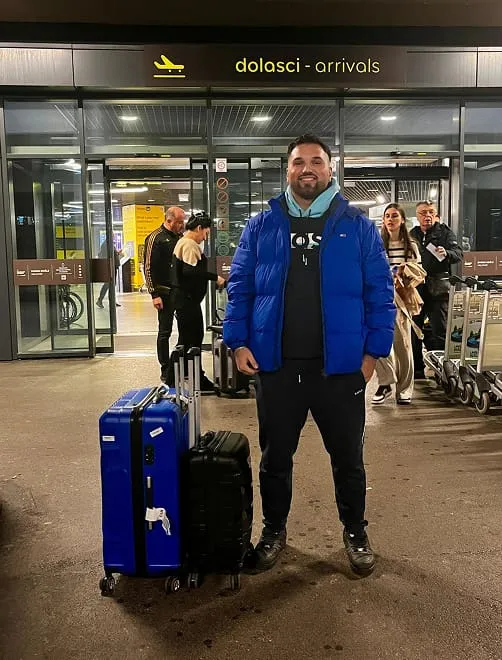
Ahmad
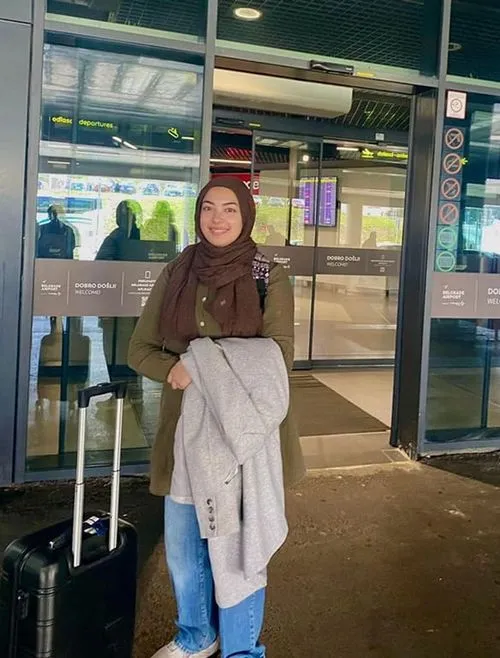
Sabrina
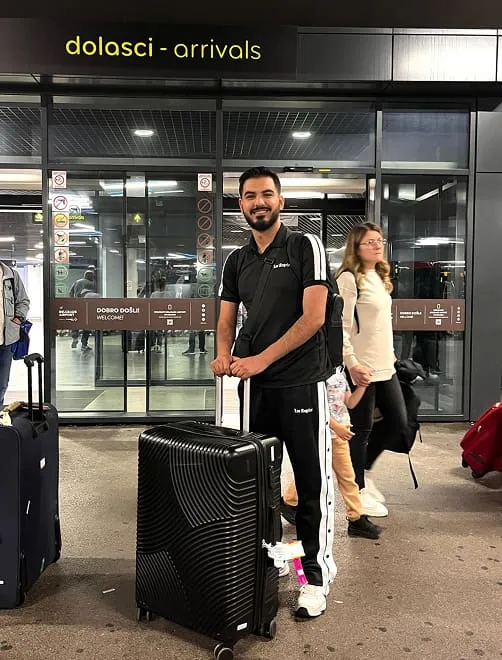
Rami
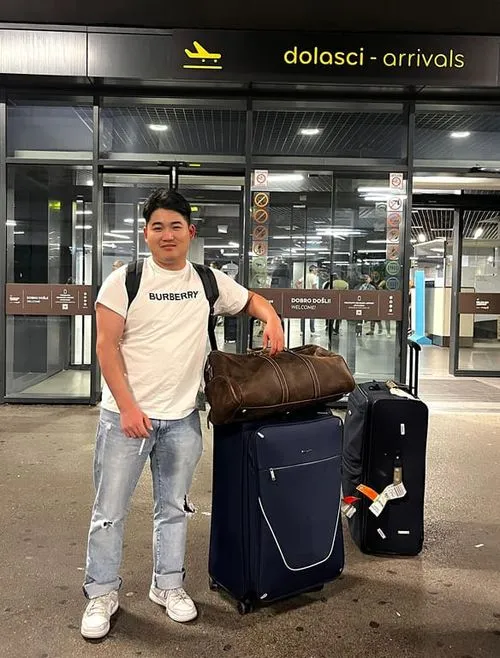
Noah
500+ students placed.
Now it's your turn!
No daydreaming, no empty promises. Just a clear plan — for the start of your medical degree.
40 minutes, no obligation