Study Medicine at Trinity College Dublin in Dublin
Trinity College Dublin · School of Medicine · St James's Hospital · Ireland
Trinity College Dublin was founded in 1592 and is Ireland's oldest university. Its School of Medicine teaches in English and trains students at St James's and Tallaght University Hospital.
Last updated
University profile
The key facts about this university at a glance.
Programmes
Medicine, Dentistry, Pharmacy
Tuition fees
Student contribution 2,350 € (2026/27) for eligible EU students; non-EU up to approx. 57,000 € per year
Duration
5 years
Language of instruction
English
Admission process
Competitive admission with a limited number of places
Intake
Academic year starts in September
Recognition
Living costs
Total students
How Safe Is This Study Location?
Based on assessments from residents and visitors collected by Numbeo over the past five years.
5 years
1700
Weather through the year
Average daytime highs by month.
✓ Placement without a grade cut-off — we place you regardless of your school-leaving grades. We go through the specific requirements together.
Get free advice →Where this university is
Drag the map to place the university in Europe — and to judge how far it is from home.
Why study medicine abroad at this university?
Study Medicine at Trinity College Dublin
Trinity College Dublin received its charter from Elizabeth I in 1592 and still sits in its walled campus in the middle of the city, between Grafton Street and the River Liffey. Medicine has been taught here since the early eighteenth century, which makes the School of Medicine one of the oldest in the English-speaking world.
Today the school combines that history with modern research. The Trinity Biomedical Sciences Institute on Pearse Street houses teaching labs and research groups, and clinical training runs through St James's Hospital, Ireland's largest acute hospital, and Tallaght University Hospital in the south-west of Dublin.
Competitive admission
The number of places is limited, so admission to medicine at Trinity is competitive.
Still comparing universities? The annual fee of 20 English-taught faculties is in one table in our guide to studying medicine in Europe in English.
- Founded: 1592
- Type: Public university
- Main teaching hospitals: St James's Hospital, Tallaght University Hospital
- Language of instruction: English
- Degree: MB BCh BAO
Study medicine or dentistry: programmes and language of instruction
Structure, duration, language of instruction and degree — for every programme at this university.
Study conditions and campus life abroad
The five-year programme starts with the medical sciences and early patient contact, then moves into clinical modules at St James's, Tallaght and affiliated hospitals across Leinster. The final years are built around clinical rotations in medicine, surgery, paediatrics, psychiatry and general practice.
Admission: how to get a place to study medicine abroad
Study medicine abroad at 350+ universities worldwide
- The right university and a secure placement
- A study place abroad with an internationally recognised degree
- Support with your start, preparation and finding accommodation
- Help with transferring to another university
- Guidance all the way to your first job
Preparing properly with Medschool Experts
Tuition fees and living costs to study medicine abroad
For eligible EU students the state covers tuition, and only the student contribution of 2,350 € (2026/27) remains. Non-EU students pay full fees of up to around 57,000 € a year. Dublin itself is expensive: a room in a shared flat often costs over 900 € a month, so 1,500 to 1,900 € a month is a realistic total budget.
Alumni now practising internationally
Former students of this university who, according to publicly available sources, now work as doctors or dentists internationally. Anonymised overview — not an indication of any cooperation with Medschool Experts.
The city as a place to study medicine
Dublin has around 600,000 inhabitants in the city and about 1.5 million in the wider region. Trinity's campus is a five-minute walk from Temple Bar and St Stephen's Green, and the Luas tram and DART coastal train make it easy to live further out in cheaper areas like Phibsborough or Rathmines. Dublin Airport connects to almost every European capital.
- City: Dublin
- Country: Ireland
- Inhabitants: approx. 600,000 (city)
- Living costs: approx. 1,500 to 1,900 € per month
About the author
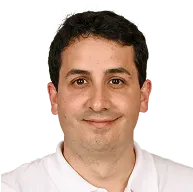
Marcel Kloos
Federally recognised dentist, founder and owner of Medschool Experts
Marcel Kloos founded the company while still studying abroad himself; since then more than 500 study places have been arranged. Originally from Stuttgart, he studied dentistry in Sofia from 2015 to 2021 and is a federally recognised dentist.
He now lives in Bern and runs the company full-time as its owner. He visits the partner universities in person on a regular basis.
Student reviews
Reviews by current and former students. We publish positive and negative reviews alike and state whether we placed the reviewer. Medschool Experts is a paid placement agency, so we are not an independent review site.
More universities to study medicine in this country
Compare the universities in the same country — programmes, fees and language of instruction side by side.
Student story
Videos about this university
Campus tour, first-hand accounts from students on the ground and answers to the most common questions — to watch rather than read.
Our curated universities
Our curated Top 20 — selected from the world's largest choice of universities for medicine, dentistry, pharmacy and veterinary medicine, independent of your high school diploma grades. We recommend each of these particularly, based on years of experience.
Problems at your university? Switch universities or train abroad
Exams not going well, trouble with the faculty, costs that have got out of hand, or you are simply not happy with the support you have had so far, including ours? You have options. We advise you free of charge on changing university and on completing parts of your clinical training abroad.
Change university
Move to another university and continue in a higher semester, usually without losing a year. We check your credits, find the right semester and handle the paperwork.
Clinical rotations abroad
Stay enrolled and complete single clinical blocks or rotations at a hospital abroad. You gain new hands-on experience and a fresh perspective on your degree.
Clinical internships abroad
Spend a few weeks at a hospital in another country, for example during the semester break, and see patients, ward routines and medicine from a different angle.
FAQ: studying medicine abroad at this university
Is medicine at Trinity College Dublin taught in English?
Yes, the whole medical degree is taught in English.
Where can I read Trinity College Dublin reviews?
On this page: students can rate Trinity College Dublin and read reviews from other medical students.
Which hospitals does Trinity use for clinical training?
Mainly St James's Hospital and Tallaght University Hospital, plus affiliated hospitals in the region.

Ahmad

Sabrina

Rami

Noah
500+ students placed.
Now it's your turn!
No daydreaming, no empty promises. Just a clear plan — for the start of your medical degree.
40 minutes, no obligation