Study Medicine in Dumaguete at Silliman University School of Medicine
Silliman University School of Medicine · Dumaguete · Philippines
Study medicine in Dumaguete at Silliman University, founded in 1901 as the first Protestant institution of higher learning in Asia, whose Medical School offers a four-year Doctor of Medicine on a seaside campus.
Last updated
University profile
The key facts about this university at a glance.
Programmes
Medicine
Tuition fees
Approx. PHP 190,000-240,000/year for international students
Duration
4 years (MD)
Language of instruction
Admission process
Assessed individually in a free consultation
Intake
June
Recognition
Internationally recognised · recognition in the EU via the national licensing procedure
Living costs
Total students
How Safe Is This Study Location?
Based on assessments from residents and visitors collected by Numbeo over the past five years.
4 years (MD)
Weather through the year
Average daytime highs by month.
✓ Placement without a grade cut-off — we place you regardless of your school-leaving grades. We go through the specific requirements together.
Get free advice →Where this university is
Drag the map to place the university in Europe — and to judge how far it is from home.
Why study medicine abroad at this university?
Silliman is older than most universities in the Philippines. Presbyterian missionaries from the United States opened it on 28 August 1901 as Silliman Institute, a small elementary school for boys led by Dr. David S. Hibbard. The name honours Horace Brinsmade Silliman, a benefactor whose donation paid for the start. In 1938 it became the first school outside Manila to receive university status, and it counts as the first Protestant institution of higher learning in both the Philippines and Asia. In 2002 the campus was declared a National Historical Landmark.
Despite its roots, Silliman is today private and nonsectarian; no church owns or governs it. About 11,000 students from the Philippines and at least 56 other countries study across its colleges and schools. The main campus on Hibbard Avenue covers 33 hectares, and a further 29-hectare site hosts agriculture and marine biology.
When did Silliman start training doctors?
The Medical School is young by Silliman standards: it opened in 2004. Health care, though, has a long history here. The Silliman University Medical Center began as a campus infirmary in 1901, became a hospital in 1923 and moved into a new building in 1976. Today it has 140 beds, belongs to the university and is run by a separate foundation.
Degree recognized in India
Your degree from Silliman University School of Medicine is recognized in India: graduates can sit the FMGE/NExT licensing exam and register with the National Medical Commission once the Indian requirements, such as a qualifying NEET score and a twelve-month internship, are met.
Still comparing universities? The annual fee of 20 English-taught faculties is in one table in our guide to studying medicine in Europe in English.
- Founded on 28 August 1901 by Presbyterian missionaries
- University status in 1938, the first outside Manila
- Private and nonsectarian
- About 11,000 students from over 56 countries
- Medical School opened in 2004
- 140-bed Silliman University Medical Center on campus
- National Historical Landmark since 2002
Study medicine or dentistry: programmes and language of instruction
Structure, duration, language of instruction and degree — for every programme at this university.
- Medicine (Doctor of Medicine): a four-year postgraduate MD at the Medical School founded in 2004, taught in English with clinical training at the 140-bed Silliman University Medical Center on campus.
Study conditions and campus life abroad
The Doctor of Medicine takes four years and is classed at Silliman as a postgraduate programme. Teaching is in English. The school's stated aim is broad: graduates should be able to work as clinicians, teachers, researchers, health administrators and community organisers within the Philippine health system, guided by Christian principles. Clinical learning centres on the 140-bed medical centre on campus, so the distance between lecture hall and ward is short. Many patients in Negros Oriental speak a regional language at home, and some basic phrases make bedside conversations easier. The academic year starts in June.
Admission: how to get a place to study medicine abroad
Study medicine abroad at 350+ universities worldwide
- The right university and a secure placement
- A study place abroad with an internationally recognised degree
- Support with your start, preparation and finding accommodation
- Help with transferring to another university
- Guidance all the way to your first job
Preparing properly with Medschool Experts
Tuition fees and living costs to study medicine abroad
Tuition for international students comes to roughly €2,900 to €3,700 per year, converted from Philippine pesos. Books, instruments, health insurance and immigration fees are extra, so plan a buffer on top of the fee itself. Dumaguete is a mid-sized provincial city rather than a metropolis. Housing ranges from student boarding houses to private apartments; short trips by tricycle make living a little further from Hibbard Avenue practical.
Degree recognition and career prospects
Silliman University School of Medicine is a state-accredited Philippine medical school, and its Doctor of Medicine is recognised internationally. Graduates are eligible for USMLE, MCCQE, PLAB and the AMC examinations and may apply for registration with the medical authority in their home country, where Philippine-trained doctors have a long and established track record.
Each EU member state provides a recognition procedure for the Silliman MD. In Germany it consists of the knowledge test (Kenntnisprüfung) and the subsequent licence to practise (Approbation), issued by the licensing authority of your federal state; from there you enter specialist training like any other licensed doctor. Austria, Switzerland and the other EU/EEA countries follow their own clear process via the competent health authority.
The route is well established and can be scheduled. We work it out with you from enrolment onwards, so that language certificates and documents are complete by the time you finish in Dumaguete.
Alumni now practising internationally
Former students of this university who, according to publicly available sources, now work as doctors or dentists internationally. Anonymised overview — not an indication of any cooperation with Medschool Experts.
The city as a place to study medicine
Dumaguete, the capital of Negros Oriental, has about 142,000 inhabitants and calls itself the “City of Gentle People”. With four large universities and several colleges, it is very much a student town; Silliman is the most visible of them.
The heart of the city is Rizal Boulevard on the waterfront. Old sugar mansions and ancestral houses along it have become cafés, restaurants and hotels, and from the promenade you see across Dumaguete Bay to Cebu and Siquijor. Near Quezon Park stand the St. Catherine of Alexandria Cathedral and its belfry from 1879. Offshore, protected reefs and seagrass beds shelter over 200 fish species.
Getting around is simple: motorised tricycles cover most short trips, and buses run to Bacolod, Cebu and beyond. Dumaguete–Sibulan Airport has daily flights to Manila and Cebu, and ferries link the port with Cebu, Bohol, Siquijor and Mindanao. June to November is the wet season; April and May are the hottest months.
- Capital of Negros Oriental, Negros Island Region
- About 142,000 inhabitants
- Nicknamed the “City of Gentle People”
- Waterfront Rizal Boulevard with views of Cebu and Siquijor
- Daily flights to Manila and Cebu
About the author
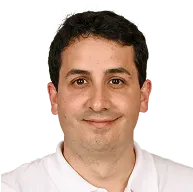
Marcel Kloos
Federally recognised dentist, founder and owner of Medschool Experts
Marcel Kloos founded the company while still studying abroad himself; since then more than 500 study places have been arranged. Originally from Stuttgart, he studied dentistry in Sofia from 2015 to 2021 and is a federally recognised dentist.
He now lives in Bern and runs the company full-time as its owner. He visits the partner universities in person on a regular basis.
Student reviews
Reviews by current and former students. We publish positive and negative reviews alike and state whether we placed the reviewer. Medschool Experts is a paid placement agency, so we are not an independent review site.
More universities to study medicine in this country
Compare the universities in the same country — programmes, fees and language of instruction side by side.
Student story
Videos about this university
Campus tour, first-hand accounts from students on the ground and answers to the most common questions — to watch rather than read.
Our curated universities
Our curated Top 20 — selected from the world's largest choice of universities for medicine, dentistry, pharmacy and veterinary medicine, independent of your high school diploma grades. We recommend each of these particularly, based on years of experience.
Problems at your university? Switch universities or train abroad
Exams not going well, trouble with the faculty, costs that have got out of hand, or you are simply not happy with the support you have had so far, including ours? You have options. We advise you free of charge on changing university and on completing parts of your clinical training abroad.
Change university
Move to another university and continue in a higher semester, usually without losing a year. We check your credits, find the right semester and handle the paperwork.
Clinical rotations abroad
Stay enrolled and complete single clinical blocks or rotations at a hospital abroad. You gain new hands-on experience and a fresh perspective on your degree.
Clinical internships abroad
Spend a few weeks at a hospital in another country, for example during the semester break, and see patients, ward routines and medicine from a different angle.
FAQ: studying medicine abroad at this university
What tuition should I budget for at Silliman Medical School?
About €2,900 to €3,700 per year. Living costs come on top and depend mostly on the kind of room you choose.
Is Silliman a church university?
No longer in a formal sense. It was founded by Presbyterian missionaries, but today it is nonsectarian and not owned by any church.
Where do Silliman medical students see patients?
At the Silliman University Medical Center, a 140-bed hospital on the main campus that traces its history back to the 1901 campus infirmary.
What does the German route look like with a Silliman MD?
Graduates of Silliman take the knowledge test (Kenntnisprüfung) in Germany and then receive the licence to practise (Approbation) from the licensing authority of their federal state. Specialist training follows on the same basis as for German graduates. The language certificate at professional level is the main preparation, which we plan with you during your studies in Dumaguete.
How international is the student body?
Quite international: students come from the Philippines and at least 56 other countries.
Is Dumaguete easy to reach?
Yes. The nearby Sibulan airport has daily flights to Manila and Cebu, and ferries connect the port with several islands, including Cebu and Bohol.

Ahmad

Sabrina

Rami

Noah
500+ students placed.
Now it's your turn!
No daydreaming, no empty promises. Just a clear plan — for the start of your medical degree.
40 minutes, no obligation