Study Medicine in El-Koura at University of Balamand Faculty of Medicine
University of Balamand Faculty of Medicine · El-Koura · Lebanon
Study medicine in El-Koura at the University of Balamand: a four-year English-taught MD that begins on a hilltop campus among North Lebanon's olive groves and ends at Saint George Hospital in Beirut.
Last updated
University profile
The key facts about this university at a glance.
Programmes
Medicine
Tuition fees
Approx. 13,700 €/year for MD; more affordable than AUB/LAU
Duration
4 years (MD)
Language of instruction
Admission process
Assessed individually in a free consultation
Intake
September
Recognition
Internationally recognised · recognition in the EU via the national licensing procedure
Living costs
Total students
How Safe Is This Study Location?
Based on assessments from residents and visitors collected by Numbeo over the past five years.
4 years (MD)
Weather through the year
Average daytime highs by month.
✓ Placement without a grade cut-off — we place you regardless of your school-leaving grades. We go through the specific requirements together.
Get free advice →Where this university is
Drag the map to place the university in Europe — and to judge how far it is from home.
Why study medicine abroad at this university?
How did the University of Balamand come about?
Patriarch Ignatius IV of Antioch founded it in 1988, after the project had taken shape between 1983 and 1987, in the middle of the Lebanese Civil War. It is a private university affiliated with the Greek Orthodox Church, yet open to students of every faith and origin. The name goes back to "Belmont", the monastery that Cistercian monks built on the hill in the twelfth century; Balamand Monastery still stands beside the campus, about 300 metres above sea level and 16 km south-east of Tripoli.
The main campus in El-Koura covers some 55 hectares and is where most of the university's 5,600 students study. Further campuses are in Dekwaneh near Beirut, Souk El Gharb and Beino in Akkar. Most programmes are taught in English, although the Lebanese Academy of Fine Arts and the theology institute also use French or Arabic.
When was the medical faculty founded?
In 2000, together with Saint George Hospital University Medical Center in Beirut. The first class had 25 students; today the faculty admits about 150 a year and counts more than 800 graduates. It was the first medical school in Lebanon outside the capital. Anatomy is taught through cadaver dissection, in one of only two such labs in the country, and the Dr Elias G. El Chami Medical Simulation Center trains clinical skills before real patients. The MD is state-accredited.
Degree recognized in India
Your degree from University of Balamand Faculty of Medicine is recognized in India: graduates can sit the FMGE/NExT licensing exam and register with the National Medical Commission once the Indian requirements, such as a qualifying NEET score and a twelve-month internship, are met.
Still comparing universities? The annual fee of 20 English-taught faculties is in one table in our guide to studying medicine in Europe in English.
- Founded: 1988 by Patriarch Ignatius IV of Antioch
- Type: private, affiliated with the Greek Orthodox Church
- Students: about 5,600
- Faculty of Medicine: since 2000, around 150 new students a year
- Main teaching hospital: Saint George Hospital University Medical Center, Beirut
- Campus: about 55 hectares beside Balamand Monastery
Study medicine or dentistry: programmes and language of instruction
Structure, duration, language of instruction and degree — for every programme at this university.
- Medicine (MD): Four years at the Faculty of Medicine and Medical Sciences: two preclinical years on the Koura campus with cadaver dissection, then two clinical years at Saint George Hospital University Medical Center in Beirut and affiliated hospitals.
Study conditions and campus life abroad
The Balamand MD lasts four years and splits neatly in two. Years one and two are preclinical and take place on the Koura campus, with gross anatomy in the dissection lab, the core medical sciences and practice sessions at the simulation centre. For years three and four you move to Beirut: clerkships run at Saint George Hospital University Medical Center in Achrafieh and at other hospitals in the faculty's network of five affiliated hospitals across Lebanon. Lectures and exams are in English. Patients mostly speak Arabic, often mixed with French, so a basic command of Lebanese Arabic before your clinical years pays off at the bedside.
Admission: how to get a place to study medicine abroad
Study medicine abroad at 350+ universities worldwide
- The right university and a secure placement
- A study place abroad with an internationally recognised degree
- Support with your start, preparation and finding accommodation
- Help with transferring to another university
- Guidance all the way to your first job
Preparing properly with Medschool Experts
Tuition fees and living costs to study medicine abroad
Tuition for the MD is roughly €13,700 a year, about €55,000 for the four years, which places Balamand among the more moderately priced private medical schools in Lebanon. Add health insurance, residence formalities, books and dissection equipment. Expect your costs to rise for the clinical years, because rent in Beirut is clearly higher than in Koura. During the preclinical phase many students live in the villages around the campus or in Tripoli, where shared flats cost far less than in the capital.
Degree recognition and career prospects
The University of Balamand Faculty of Medicine awards a state-accredited MD that is recognised internationally, and Lebanese-trained doctors are well represented in hospitals across Europe and North America. With the Balamand degree you can sit USMLE, MCCQE, PLAB or the AMC examinations and apply for registration with the medical authority in your home country; pharmacists take the pharmacy licensing examination of the country where they wish to work.
In the European Union the degree is eligible for recognition in every member state. For Germany, the route is the knowledge test (Kenntnisprüfung), and after passing it you receive the licence to practise (Approbation) from the licensing authority of your federal state. Specialist training is then open on equal terms. Austria, Switzerland and the other EU/EEA states handle recognition through their competent health authority under their own structured procedure.
We lay out the European route with you early in the programme, so the exam, the language certificates and the documents are planned long before your final year in Koura.
Alumni now practising internationally
Former students of this university who, according to publicly available sources, now work as doctors or dentists internationally. Anonymised overview — not an indication of any cooperation with Medschool Experts.
The city as a place to study medicine
Where exactly is El-Koura?
Koura is one of Lebanon's 26 districts, in the North Governorate between the Mediterranean and the slopes of Mount Lebanon. About 75,000 people live in its 52 villages on 173 km², and the largest town, Amioun, has roughly 10,000 inhabitants. Olive trees define the landscape: Koura's groves are among the most extensive in the country, and local oil appears on every table. Most residents are Greek Orthodox or Maronite Christians, with a Sunni minority.
The campus sits on a hill above the coast, 16 km from Tripoli, Lebanon's second-largest city, and about 80 km north of Beirut. Tripoli is where you go for shopping, its old souks and seafood, and the sea at Enfeh is close. Koura itself is calm and village-like, so student life centres on the campus, sport and weekend trips. Flights land at Beirut–Rafic Hariri International Airport, roughly 90 minutes to two hours away by road depending on traffic.
- District: Koura, North Governorate, Lebanon
- Population: about 75,000 in 52 villages
- Known for: olive groves and olive oil
- Distance: 16 km to Tripoli, about 80 km to Beirut
About the author
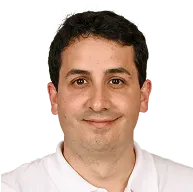
Marcel Kloos
Federally recognised dentist, founder and owner of Medschool Experts
Marcel Kloos founded the company while still studying abroad himself; since then more than 600 study places have been arranged. Originally from Stuttgart, he studied dentistry in Sofia from 2015 to 2021 and is a federally recognised dentist.
He now lives in Bern and runs the company full-time as its owner. He visits the partner universities in person on a regular basis.
Student reviews
Reviews by current and former students. We publish positive and negative reviews alike and state whether we placed the reviewer. Medschool Experts is a paid placement agency, so we are not an independent review site.
More universities to study medicine in this country
Compare the universities in the same country — programmes, fees and language of instruction side by side.
Student story
Videos about this university
Campus tour, first-hand accounts from students on the ground and answers to the most common questions — to watch rather than read.
Our curated universities
Our curated Top 20 — selected from the world's largest choice of universities for medicine, dentistry, pharmacy and veterinary medicine, independent of your high school diploma grades. We recommend each of these particularly, based on years of experience.
Problems at your university? Switch universities or train abroad
Exams not going well, trouble with the faculty, costs that have got out of hand, or you are simply not happy with the support you have had so far, including ours? You have options. We advise you free of charge on changing university and on completing parts of your clinical training abroad.
Change university
Move to another university and continue in a higher semester, usually without losing a year. We check your credits, find the right semester and handle the paperwork.
Clinical rotations abroad
Stay enrolled and complete single clinical blocks or rotations at a hospital abroad. You gain new hands-on experience and a fresh perspective on your degree.
Clinical internships abroad
Spend a few weeks at a hospital in another country, for example during the semester break, and see patients, ward routines and medicine from a different angle.
FAQ: studying medicine abroad at this university
What does the MD at Balamand cost?
Around €13,700 a year in tuition, so roughly €55,000 for the four-year programme. Living costs during the preclinical years in Koura are modest; the clinical years in Beirut cost more because of rent.
Where can you practise with a Balamand MD?
Across the EU after the national recognition procedure, in the USA, Canada, the United Kingdom and Australia after the corresponding licensing exam, and in your home country after registration. For Germany, the procedure is the knowledge test (Kenntnisprüfung) followed by the licence to practise (Approbation), with specialist training open immediately afterwards. We plan these steps with you from the first year.
Do I spend all four years in Koura?
No. The first two years are on the Koura campus, the last two mainly at Saint George Hospital University Medical Center in Beirut and the faculty's other affiliated hospitals.
How big is each medical class?
About 150 students start every year. The faculty began in 2000 with 25 and has since produced more than 800 doctors.
Is anatomy taught with real cadavers?
Yes. The Koura campus has one of only two cadaveric dissection labs for gross anatomy in Lebanon.
Is Koura a good place for focused study?
Very much so. The campus stands on a hill among olive groves next to a monastery with medieval roots, and Tripoli is 16 km away for errands and evenings out.

Ahmad

Sabrina

Rami

Noah
600+ students placed.
Now it's your turn!
No daydreaming, no empty promises. Just a clear plan — for the start of your medical degree.
40 minutes, no obligation