Study Medicine in Murcia – Catholic University of Murcia (UCAM)
Study Medicine in Spain — EU-recognised degree, taught in Spanish
Study medicine in Murcia at UCAM: a six-year, 360-ECTS Grado en Medicina taught in Spanish at a private Catholic university whose main campus is an 18th-century monastery.
Last updated
University profile
The key facts about this university at a glance.
Programmes
Medicine
Tuition fees
14,700 € per year for EU students, 19,500 € per year for non-EU students (245 € per ECTS)
Duration
6 years
Language of instruction
Spanish
Admission process
Application through Medschool Experts
Intake
September
Recognition
Internationally recognised · automatic recognition in the EU, EEA and Switzerland
Living costs
Approx. €700–900/month
Total students
How Safe Is This Study Location?
Based on assessments from residents and visitors collected by Numbeo over the past five years.
6 years
14700
Weather through the year
Average daytime highs by month.
✓ Placement without a grade cut-off — we place you regardless of your school-leaving grades. We go through the specific requirements together.
Get free advice →Where this university is
Drag the map to place the university in Europe — and to judge how far it is from home.
Why study medicine abroad at this university?
What is UCAM?
UCAM, the Universidad Católica San Antonio de Murcia, is a private Catholic university founded in 1996 by José Luis Mendoza Pérez. It is owned by the San Antonio University Foundation and named after its patron, Saint Anthony of Padua. Its motto, In libertatem vocati, means "called to freedom" and comes from Paul's letter to the Galatians. UCAM opened with about 600 students; in 2026 it counts 21,386.
The heart of the university is the Los Jerónimos campus, about four kilometres from central Murcia. It occupies an 18th-century monastery whose baroque church is a national historic-artistic monument. A second campus is in Cartagena. The Faculty of Medicine also runs dentistry and psychology, and the university offers 17 official doctoral programmes.
Why do people in Spain know the name?
Sport. UCAM funds athletes through scholarships, and 11 of Spain's 17 medals at the 2016 Rio Olympics went to UCAM-backed athletes, among them swimmer Mireia Belmonte and badminton player Carolina Marín. Basketball, football and volleyball teams play under the UCAM Murcia name. UCAM is state-accredited, and medicine graduates receive an official Spanish Grado en Medicina.
Degree recognized in India
Your degree from Catholic University of Murcia (UCAM) is recognized in India: the university is listed in the World Directory of Medical Schools, so graduates can sit the FMGE/NExT licensing exam and register with the National Medical Commission.
Still comparing universities? The annual fee of 20 English-taught faculties is in one table in our guide to studying medicine in Europe in English.
- Founded in 1996, private Catholic university
- Owner: San Antonio University Foundation
- 21,386 students (2026)
- Main campus in the 18th-century Los Jerónimos monastery, second campus in Cartagena
- Faculty of Medicine with medicine, dentistry and psychology
- UCAM-backed athletes won 11 of Spain's 17 medals at Rio 2016
Study medicine or dentistry: programmes and language of instruction
Structure, duration, language of instruction and degree — for every programme at this university.
- Medicine (Grado en Medicina): six years, 360 ECTS, taught in Spanish, 90 places in Murcia. Clinical training with the Murcian Health Service and private partner hospitals in the region.
Study conditions and campus life abroad
Medicine at UCAM is a six-year degree worth 360 ECTS, with 90 places on the Murcia campus; the university also teaches it in Cartagena. Teaching is in Spanish. So if your Spanish is still basic, build it up seriously before you start, because lectures, exams and patient contact all run in the language. The degree moves from the biomedical sciences into clinical subjects and hospital placements. For practical training the university's medicine page lists the Murcian Health Service and private hospitals such as Hospital Mesa del Castillo, Hospital de Molina de Segura and HLA La Vega among its partners, along with Clínica Nuestra Señora de Belén and Sanitas.
Admission: how to get a place to study medicine abroad
Medicine at UCAM is taught in Spanish, so in a free consultation we look at your language level and your goals and tell you whether Murcia is a sensible choice. Your place is independent of your high school diploma grades.
Study medicine abroad at 350+ universities worldwide
- The right university and a secure placement
- A study place abroad with an internationally recognised degree
- Support with your start, preparation and finding accommodation
- Help with transferring to another university
- Guidance all the way to your first job
Preparing properly with Medschool Experts
Non-EU students need a Spanish student visa before travelling to Murcia, while EU citizens register their residence after arrival, and we help with either route. We also tell you which districts of Murcia have good tram or bus links to the Los Jerónimos campus outside the centre.
Tuition fees and living costs to study medicine abroad
UCAM charges €245 per ECTS for medicine, which comes to €14,700 a year for EU students and €19,500 for students from outside the EU. Over six years that is about €88,200 or €117,000. Books, health insurance and trips home come on top. Most students rent a room in a shared flat in town, ideally close to a tram or bus line, because Los Jerónimos lies outside the centre. Student residences are part of the planned campus expansion.
Degree recognition and career prospects
Automatic recognition from Murcia to Berlin
The Grado en Medicina from UCAM is an official Spanish university degree, and Spain is a member of the European Union. That single fact settles the question of recognition: under Directive 2005/36/EC Germany, all other EU states, the EEA countries and Switzerland accept the diploma automatically.
Specialist training comes first for most UCAM graduates. In Germany you enter the Facharzt programme on the same terms as domestic graduates; in Spain you may sit the MIR and train there. The Spanish you acquire during six years in Murcia also keeps the whole Spanish-speaking world open to you.
The German licence itself is a matter of paperwork rather than examinations. You hand the diploma and a certificate of German at professional level to the licensing authority of your federal state and receive the Approbation; the same automatic route exists in Austria, Switzerland and every other EU and EEA country. Outside Europe, the degree qualifies you for the USMLE, the MCCQE and the PLAB.
Alumni now practising internationally
Former students of this university who, according to publicly available sources, now work as doctors or dentists internationally. Anonymised overview — not an indication of any cooperation with Medschool Experts.
The city as a place to study medicine
Murcia, capital of the Region of Murcia, is Spain's seventh-largest city with 471,982 inhabitants (2024). It lies inland on the Segura river, only about 43 metres above sea level. The climate is hot and semi-arid: August afternoons average about 34.5 °C, January ones about 17 °C, and only around 282 mm of rain falls a year, across some 34 rainy days. Expect more than 3,000 hours of sunshine.
The old town centres on the cathedral, built in Gothic style between 1394 and 1465 and given its baroque main façade in the 18th century. On Calle Trapería the Casino, a social club from 1847, hides a Moorish-style patio. In spring the city celebrates its Fiestas de Primavera with the Bando de la Huerta parade and the Burial of the Sardine.
Getting around is easy: the tram network covers 17.5 km, and Murcia del Carmen station has long-distance trains to Madrid and Valencia. The Region of Murcia airport at Corvera, open since 2019, lies about 20 km south; Alicante–Elche airport is about 60 km away.
- Capital of the Region of Murcia, south-eastern Spain
- 471,982 inhabitants (2024), seventh-largest city in Spain
- On the Segura river, more than 3,000 hours of sunshine a year
- Gothic cathedral and the 1847 Casino on Calle Trapería
- Region of Murcia airport at Corvera, about 20 km south
About the author
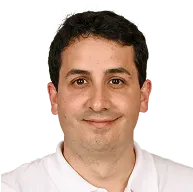
Marcel Kloos
Federally recognised dentist, founder and owner of Medschool Experts
Marcel Kloos founded the company while still studying abroad himself; since then more than 500 study places have been arranged. Originally from Stuttgart, he studied dentistry in Sofia from 2015 to 2021 and is a federally recognised dentist.
He now lives in Bern and runs the company full-time as its owner. He visits the partner universities in person on a regular basis.
Student reviews
Reviews by current and former students. We publish positive and negative reviews alike and state whether we placed the reviewer. Medschool Experts is a paid placement agency, so we are not an independent review site.
More universities to study medicine in this country
Compare the universities in the same country — programmes, fees and language of instruction side by side.
Student story
Videos about this university
Campus tour, first-hand accounts from students on the ground and answers to the most common questions — to watch rather than read.
Our curated universities
Our curated Top 20 — selected from the world's largest choice of universities for medicine, dentistry, pharmacy and veterinary medicine, independent of your high school diploma grades. We recommend each of these particularly, based on years of experience.
Problems at your university? Switch universities or train abroad
Exams not going well, trouble with the faculty, costs that have got out of hand, or you are simply not happy with the support you have had so far, including ours? You have options. We advise you free of charge on changing university and on completing parts of your clinical training abroad.
Change university
Move to another university and continue in a higher semester, usually without losing a year. We check your credits, find the right semester and handle the paperwork.
Clinical rotations abroad
Stay enrolled and complete single clinical blocks or rotations at a hospital abroad. You gain new hands-on experience and a fresh perspective on your degree.
Clinical internships abroad
Spend a few weeks at a hospital in another country, for example during the semester break, and see patients, ward routines and medicine from a different angle.
FAQ: studying medicine abroad at this university
What does medicine at UCAM cost per year?
€14,700 for EU students and €19,500 for non-EU students, based on €245 per ECTS. Living costs come on top.
In which language is medicine taught at UCAM Murcia?
In Spanish. Plan your language preparation early, because seminars, exams and patient contact all take place in Spanish.
Where exactly is the UCAM campus?
At the Los Jerónimos monastery, about four kilometres from central Murcia. The building dates from the 18th century and its church is a national monument.
How many students start medicine each year?
The Murcia campus offers 90 places per year. Medicine is also taught at the Cartagena campus.
How do you obtain the German Approbation after graduating from UCAM?
Through the automatic procedure for EU degrees: you present your Spanish Grado en Medicina and proof of professional-level German to the licensing authority of your federal state, which issues the Approbation without a knowledge test. The same recognition under Directive 2005/36/EC applies in all EU and EEA countries and in Switzerland, and specialist training in Germany is open to you straight away.
How hot does Murcia get?
Very hot in summer, with August afternoons averaging around 34.5 °C. Winters are mild, at about 17 °C in January.

Ahmad

Sabrina

Rami

Noah
500+ students placed.
Now it's your turn!
No daydreaming, no empty promises. Just a clear plan — for the start of your medical degree.
40 minutes, no obligation