Study Medicine in Sofia – Sofia University, Faculty of Medicine
Faculty of Medicine · Sofia University St. Kliment Ohridski · Sofia, Bulgaria
Study medicine or pharmacy in Sofia at the Faculty of Medicine of Sofia University St. Kliment Ohridski: English-taught degrees, clinical years at Lozenets hospital, a city-centre address.
Last updated
University profile
The key facts about this university at a glance.
Programmes
Medicine and Pharmacy
Tuition fees
Medicine approx. €6,000–8,000 per year, Pharmacy approx. €5,000–7,000 per year
Duration
6 years (Medicine), 5 years (Pharmacy)
Language of instruction
English
Admission process
Assessed individually in a free consultation
Intake
October
Recognition
Internationally recognised · automatic recognition in the EU, EEA and Switzerland
Living costs
Approx. €500–800/month
Total students
How Safe Is This Study Location?
Based on assessments from residents and visitors collected by Numbeo over the past five years.
6 years (Medicine), 5 years (Pharmacy)
Weather through the year
Average daytime highs by month.
✓ Placement without a grade cut-off — we place you regardless of your school-leaving grades. We go through the specific requirements together.
Get free advice →Where this university is
Drag the map to place the university in Europe — and to judge how far it is from home.
Why study medicine abroad at this university?
Why does Sofia University have its own Faculty of Medicine?
Because medicine in Bulgaria began here. Parliament founded the faculty in 1917 as the fourth faculty of Sofia University, and its first lecture, in medical physics, took place on 10 April 1918. In 1950 the state split it off into a separate Medical Academy, the forerunner of today's Medical University of Sofia. In December 2003 the Council of Ministers allowed medicine to return to Sofia University, and the rebuilt faculty has taught medicine in English since 2012.
The university itself is the oldest in the country. It began on 1 October 1888 as a higher pedagogical course, became a university in 1904 and is named after Saint Clement of Ohrid. Today more than 21,000 students study at 16 faculties. Its rectorate on Tsar Osvoboditel Boulevard was built between 1924 and 1934 with money from the brothers Evlogi and Hristo Georgiev, whose statues stand on the façade. Alumni include the philosophers Julia Kristeva and Tzvetan Todorov and several Bulgarian presidents.
Clinical teaching takes place mainly at Lozenets University Hospital in the south of the city, an accredited teaching hospital of the faculty, with the Military Medical Academy as a further clinical base. Being part of a full university has a practical upside: biology, chemistry and physics are faculties in their own right. Sofia University is public and state-accredited.
Degree recognized in India
Your degree from Sofia University „St. Kliment Ohridski“ – Faculty of Medicine is recognized in India: the university is listed in the World Directory of Medical Schools, so graduates can sit the FMGE/NExT licensing exam and register with the National Medical Commission.
Still comparing universities? The annual fee of 20 English-taught faculties is in one table in our guide to studying medicine in Europe in English.
- Founded on 1 October 1888, Bulgaria's oldest university
- Faculty of Medicine created in 1917, back at the university since 2003
- 16 faculties, more than 21,000 students
- Rectorate on Tsar Osvoboditel Boulevard
- Clinical training at Lozenets University Hospital and the Military Medical Academy
- English-taught: Medicine and Pharmacy
- Questions about Sofia University? Write to us
Study medicine or dentistry: programmes and language of instruction
Structure, duration, language of instruction and degree — for every programme at this university.
- Medicine (Master, 6 years): English-taught since 2012, with clinical years at Lozenets University Hospital and a final ward internship before the state examinations.
- Pharmacy (Master, 5 years): English-taught, drawing on the university's own chemistry and biology faculties and ending with a practical internship.
Study conditions and campus life abroad
Medicine runs for six years and leads to a master's degree; pharmacy takes five. In the first years you build the basics, from anatomy and physiology to biochemistry, in a university where the natural sciences have their own faculties. The clinical part moves you to Lozenets hospital, with ward rounds and clinical classes in internal medicine, surgery and the other core specialties. Both degrees end with a compulsory internship, on the wards or in pharmacy practice, followed by state examinations. Lectures are entirely in English, but plan to learn Bulgarian alongside, because patients at Lozenets will expect it.
Admission: how to get a place to study medicine abroad
Sofia University's medical faculty is smaller than the Medical University a few kilometres away, and that suits some students better than others. In a free consultation we look at your plans and tell you whether the Faculty of Medicine at Sofia University is the right match. Your high school diploma grades are not what counts.
Study medicine abroad at 350+ universities worldwide
- The right university and a secure placement
- A study place abroad with an internationally recognised degree
- Support with your start, preparation and finding accommodation
- Help with transferring to another university
- Guidance all the way to your first job
Preparing properly with Medschool Experts
From the first days in Sofia to settling in near Lozenets, we stay at your side: long-stay visa for non-EU citizens, residence registration for EU citizens, enrolment and paperwork. We also help you find a flat with good metro access to both the city centre and the hospital, which saves time every day.
Tuition fees and living costs to study medicine abroad
Medicine costs approximately €6,000–8,000 per year and Pharmacy approximately €5,000–7,000; the exact amount is set for each intake. Bulgaria adopted the euro at the start of 2026, so fees and daily spending are both in euros. Living costs in Sofia come to around €500–800 a month. University dormitory places are the cheapest housing, while a furnished flat starts at about €400 in rent alone. A single metro, tram or bus ticket costs €0.80, and living near a metro station keeps the trip to Lozenets short.
Degree recognition and career prospects
A degree recognised the moment you qualify
Because Bulgaria belongs to the European Union, a medical degree from Sofia University carries automatic recognition under Directive 2005/36/EC the day you graduate: no additional examination, no waiting period, just an application for the licence to practise to the authority in the country where you intend to work, in Germany, Austria, the rest of the EU, the EEA states or Switzerland.
Specialist training then opens on the same footing as for any domestic graduate, and the same automatic step applies to the faculty's pharmacy degree, which leads into registration as a pharmacist under the same directive. Sofia University is also listed in the World Directory of Medical Schools, which supports a career outside Europe for graduates who choose that path.
Alumni now practising internationally
Former students of this university who, according to publicly available sources, now work as doctors or dentists internationally. Anonymised overview — not an indication of any cooperation with Medschool Experts.
The city as a place to study medicine
Few medical faculties in Europe have a more central address. Sofia University sits on Tsar Osvoboditel Boulevard, between the Alexander Nevsky Cathedral, the National Assembly and Borisova Gradina park, and a metro station carries the university's name. Theatres, concert halls, galleries and late-night cafés are a few minutes' walk from the rectorate.
Sofia has roughly 1.3 million inhabitants and over 100,000 students, so the city never empties out in winter. Lozenets, where clinical training happens, is quieter and greener, and its streets climb gently towards the mountain. Vitosha rises behind the city with Cherni Vrah at 2,290 m: skiing in winter, hiking in summer, both as day trips.
Summers in the Sofia basin are hot and dry, winters cold with a good chance of snow. The airport has nonstop flights to most major European cities, many of them under three hours, and Munich is about two and a half hours away.
- Campus in the historic centre of Sofia
- About 1.3 million inhabitants, over 100,000 students
- Vitosha's highest peak, Cherni Vrah, at 2,290 m
- Euro in use since 2026
About the author
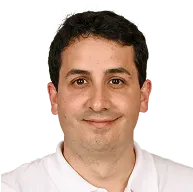
Marcel Kloos
Federally recognised dentist, founder and owner of Medschool Experts
Marcel Kloos founded the company while still studying abroad himself; since then more than 500 study places have been arranged. Originally from Stuttgart, he studied dentistry in Sofia from 2015 to 2021 and is a federally recognised dentist.
He now lives in Bern and runs the company full-time as its owner. He visits the partner universities in person on a regular basis.
Student reviews
Reviews by current and former students. We publish positive and negative reviews alike and state whether we placed the reviewer. Medschool Experts is a paid placement agency, so we are not an independent review site.
More universities to study medicine in this country
Compare the universities in the same country — programmes, fees and language of instruction side by side.
Student story
Videos about this university
Campus tour, first-hand accounts from students on the ground and answers to the most common questions — to watch rather than read.
Our curated universities
Our curated Top 20 — selected from the world's largest choice of universities for medicine, dentistry, pharmacy and veterinary medicine, independent of your high school diploma grades. We recommend each of these particularly, based on years of experience.
Problems at your university? Switch universities or train abroad
Exams not going well, trouble with the faculty, costs that have got out of hand, or you are simply not happy with the support you have had so far, including ours? You have options. We advise you free of charge on changing university and on completing parts of your clinical training abroad.
Change university
Move to another university and continue in a higher semester, usually without losing a year. We check your credits, find the right semester and handle the paperwork.
Clinical rotations abroad
Stay enrolled and complete single clinical blocks or rotations at a hospital abroad. You gain new hands-on experience and a fresh perspective on your degree.
Clinical internships abroad
Spend a few weeks at a hospital in another country, for example during the semester break, and see patients, ward routines and medicine from a different angle.
FAQ: studying medicine abroad at this university
Is Sofia University the same as the Medical University of Sofia?
No, they are two separate universities. The Medical University grew out of Sofia University's medical faculty after it was split off in 1950; since 2003 Sofia University has again had its own, smaller Faculty of Medicine.
How much does medicine at Sofia University cost per year?
About €6,000–8,000 in tuition. With €500–800 a month for living, a full year comes to roughly €12,000–17,600.
Where does clinical training take place?
Mainly at Lozenets University Hospital in the south of the city, with the Military Medical Academy as a further clinical base. Both are easy to reach by public transport from the centre.
How quickly can you register to practise in Germany after Sofia University?
Immediately on application. Directive 2005/36/EC gives automatic recognition because Bulgaria is an EU member state, so you apply directly for the licence to practise once you can show German at a professional level; the same step applies across the EU and EEA.
Can I study pharmacy in English here?
Yes. The faculty offers a five-year pharmacy programme in English that ends with an internship. If you are torn between medicine and pharmacy, we talk through both routes with you.
What is student life like in central Sofia?
Busy and affordable. The university stands in the middle of the city, with theatres, bars and parks within walking distance, and at weekends Vitosha is close enough for hiking or skiing.

Ahmad

Sabrina

Rami

Noah
500+ students placed.
Now it's your turn!
No daydreaming, no empty promises. Just a clear plan — for the start of your medical degree.
40 minutes, no obligation