Study Medicine in Tianjin – Tianjin Medical University
Tianjin Medical University · China
Study medicine in Tianjin at Tianjin Medical University, a specialist medical school founded in 1951 and known for oncology, with an English-taught MBBS half an hour from Beijing.
Last updated
University profile
The key facts about this university at a glance.
Programmes
Medicine (MBBS)
Tuition fees
30,000 to 53,000 RMB per year (around 3,850 to 6,800 €)
Duration
5 years plus 1 year internship
Language of instruction
English (clinical work in Chinese)
Admission process
Intake
September
Recognition
Internationally recognised · recognition in the EU via the national licensing procedure
Living costs
350 to 600 EUR per month
Total students
How Safe Is This Study Location?
Based on assessments from residents and visitors collected by Numbeo over the past five years.
5 years plus 1 year internship
5300
Weather through the year
Average daytime highs by month.
✓ Placement without a grade cut-off — we place you regardless of your school-leaving grades. We go through the specific requirements together.
Get free advice →Where this university is
Drag the map to place the university in Europe — and to judge how far it is from home.
Why study medicine abroad at this university?
Tianjin Medical University is a dedicated medical school in the centre of Tianjin. Unlike a comprehensive university, everything here revolves around medicine, nursing, pharmacy and related fields, and you feel that on campus every day. It opened in 1951 as Tianjin Medical College, the first medical college the Chinese State Council approved after 1949. Its first president was the endocrinologist Zhu Xianyi, whose name a university scholarship still carries. The school is public and belongs to Project 211 and the Double First-Class Initiative.
How big is Tianjin Medical University?
Compact. Of its roughly 8,500 students, about 5,100 are undergraduates and nearly 2,000 postgraduates, taught on an inner-city campus on Qixiangtai Road. The clinical network is far larger: six university hospitals, eleven clinical colleges and more than thirty teaching hospitals.
Oncology is the signature field. The university's cancer institute, with its own cancer hospital, is regarded as the birthplace of cancer medicine in China and works with the MD Anderson Cancer Center in Texas and the Karolinska University Hospital in Stockholm. Integrated Chinese and Western medicine in surgery is another national key discipline. International students have been joining the English-taught medical programme since the late 1990s, and the university's General Hospital is one of the major hospitals in the city.
Degree recognized in India
Your degree from Tianjin Medical University is recognized in India: the university is listed in the World Directory of Medical Schools, so graduates can sit the FMGE/NExT licensing exam and register with the National Medical Commission.
Still comparing universities? The annual fee of 20 English-taught faculties is in one table in our guide to studying medicine in Europe in English.
- Founded in 1951, the first medical college the State Council approved after 1949
- Public university, Project 211 and Double First-Class Initiative
- About 8,500 students on a city campus on Qixiangtai Road
- Six university hospitals, eleven clinical colleges, more than thirty teaching hospitals
- Oncology focus with its own cancer institute and cancer hospital
- MBBS in English, start in September, free consultation
Study medicine or dentistry: programmes and language of instruction
Structure, duration, language of instruction and degree — for every programme at this university.
- Medicine (MBBS): a six-year English-taught programme, five years of study plus an internship year, with compulsory Chinese in the early years and clinical rotations across six university hospitals.
Study conditions and campus life abroad
Expect six years: five of teaching and a final internship year. Preclinical subjects and clinical theory take place on the city campus in Heping District, and several university hospitals are also downtown, so you rarely commute far. From the clinical phase on you rotate through the core specialties, among them internal medicine, surgery, paediatrics, gynaecology and neurology.
English is the language of instruction. Chinese is compulsory in the first years for a practical reason: by the internship at the latest, you are talking to patients who speak no English. Keep at it early and you can do more yourself on the ward and follow ward rounds beyond the lab values. The academic year begins in September.
Admission: how to get a place to study medicine abroad
Tianjin suits you if you want a pure medical school with a strong clinical network close to Beijing. We go through that in a free consultation and check whether Tianjin Medical University matches your goals, with your school grades playing no part in the placement.
Study medicine abroad at 350+ universities worldwide
- The right university and a secure placement
- A study place abroad with an internationally recognised degree
- Support with your start, preparation and finding accommodation
- Help with transferring to another university
- Guidance all the way to your first job
Preparing properly with Medschool Experts
You will need a Chinese student visa and, in most cases, a flight to Beijing followed by the short train ride to Tianjin. We support you with the visa, the residence permit you renew each year and the decision between the campus dorm and a flat in Heping.
Tuition fees and living costs to study medicine abroad
The annual MBBS fee ranges from 30,000 to 53,000 RMB, about €3,900 to €6,800. Dormitory or rent, health insurance, books and the yearly residence-permit renewal come on top.
If dorm life is not for you, a small furnished flat in Tianjin costs €250 to €400 a month. Overall budget: €350 to €600 monthly. Canteen meals and the metro are cheap, and an intercity ticket to Beijing costs under €10 each way.
Degree recognition and career prospects
Recognised for a career across borders
Tianjin Medical University's MBBS gives you a clear path into the European Union. For Germany, that means the knowledge test (Kenntnisprüfung) followed by the licence to practise (Approbation); every other EU and EEA state runs a comparable procedure through its own competent health authority, and we map out that route together with you long before graduation.
Beyond Europe, the degree is recognised internationally: Tianjin is listed in the World Directory of Medical Schools, so you qualify to sit the USMLE in the United States, Canada's MCCQE, the UK's PLAB or Australia's AMC examination.
The same diploma lets you register with the licensing body in your home country, keeping the option open to practise wherever your career takes you.
Alumni now practising internationally
Former students of this university who, according to publicly available sources, now work as doctors or dentists internationally. Anonymised overview — not an indication of any cooperation with Medschool Experts.
The city as a place to study medicine
Tianjin is one of China's four municipalities that report directly to the central government. Some 13.87 million people live here, about 120 km south-east of Beijing on the Bohai Gulf, and its port handles some of the heaviest cargo traffic in the world. The era of the foreign concessions left whole streets of European architecture behind, such as the Five Great Avenues in Heping District, now a favourite area for walks and evenings out.
Winters are dry and cold: the January mean is minus 2.8 °C, though flats stay warm during the heating season. July reaches 27.2 °C, and most of the 521 mm of annual rain falls in July and August. The metro runs on more than ten lines for 2 to 5 yuan a trip, and Binhai Airport is 13 km away.
From Europe you usually fly into Beijing and take the fast train on, around 30 minutes. Day to day you notice that Tianjin has its own humour: xiangsheng, the Chinese comic dialogue, has deep roots here, and mornings start with jianbing guozi, a filled crêpe from a street stall.
- Municipality under direct central government, on the Bohai Gulf
- 13.87 million inhabitants
- About 120 km south-east of Beijing, 30 minutes by fast train
- Concession-era architecture on the Five Great Avenues
About the author
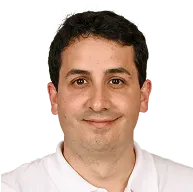
Marcel Kloos
Federally recognised dentist, founder and owner of Medschool Experts
Marcel Kloos founded the company while still studying abroad himself; since then more than 500 study places have been arranged. Originally from Stuttgart, he studied dentistry in Sofia from 2015 to 2021 and is a federally recognised dentist.
He now lives in Bern and runs the company full-time as its owner. He visits the partner universities in person on a regular basis.
Student reviews
Reviews by current and former students. We publish positive and negative reviews alike and state whether we placed the reviewer. Medschool Experts is a paid placement agency, so we are not an independent review site.
More universities to study medicine in this country
Compare the universities in the same country — programmes, fees and language of instruction side by side.
Student story
Videos about this university
Campus tour, first-hand accounts from students on the ground and answers to the most common questions — to watch rather than read.
Our curated universities
Our curated Top 20 — selected from the world's largest choice of universities for medicine, dentistry, pharmacy and veterinary medicine, independent of your high school diploma grades. We recommend each of these particularly, based on years of experience.
Problems at your university? Switch universities or train abroad
Exams not going well, trouble with the faculty, costs that have got out of hand, or you are simply not happy with the support you have had so far, including ours? You have options. We advise you free of charge on changing university and on completing parts of your clinical training abroad.
Change university
Move to another university and continue in a higher semester, usually without losing a year. We check your credits, find the right semester and handle the paperwork.
Clinical rotations abroad
Stay enrolled and complete single clinical blocks or rotations at a hospital abroad. You gain new hands-on experience and a fresh perspective on your degree.
Clinical internships abroad
Spend a few weeks at a hospital in another country, for example during the semester break, and see patients, ward routines and medicine from a different angle.
FAQ: studying medicine abroad at this university
What does a year of MBBS in Tianjin cost?
Between 30,000 and 53,000 RMB, or roughly €3,900 to €6,800. Housing and everyday life come to €350 to €600 a month.
How do you turn an MBBS from Tianjin into a German licence to practise?
You sit the knowledge test (Kenntnisprüfung) and then receive the licence to practise (Approbation), the standard and well-established route for graduates trained outside the EU. The same MBBS is also a recognised basis for licensing exams abroad, including the USMLE, MCCQE, PLAB and the AMC assessment, and for registering with the authority back home.
What makes Tianjin Medical University stand out?
Its cancer medicine. The university's cancer institute is seen as the origin of oncology in China and cooperates with major cancer centres in the USA and Sweden.
How quickly can I get to Beijing?
In about 30 minutes by intercity train. That is handy for weekend trips and for long-haul flights out of Beijing.
How cold does winter get?
Cold and dry, with a January mean of minus 2.8 °C. Pack a proper winter coat; northern China's central heating keeps flats warm.
Is Chinese compulsory?
Yes, in the first years of the degree. Lectures stay in English, but on the wards you need the local language.

Ahmad

Sabrina

Rami

Noah
500+ students placed.
Now it's your turn!
No daydreaming, no empty promises. Just a clear plan — for the start of your medical degree.
40 minutes, no obligation