Study Dentistry in Valencia – Universidad Europea de Valencia
Study Dentistry in Spain — EU-recognised degree, English track in years 1–3
Study dentistry in Valencia at Universidad Europea de Valencia: five years and 300 ECTS, the first three taught in English, with a university dental clinic and a digital Smart Lab.
Last updated
University profile
The key facts about this university at a glance.
Programmes
Dentistry
Tuition fees
on request
Duration
5 years
Language of instruction
English (years 1–3), Spanish (years 4–5)
Admission process
Application through Medschool Experts
Intake
September
Recognition
Internationally recognised · automatic recognition in the EU, EEA and Switzerland
Living costs
Approx. €800–1,100/month
Total students
How Safe Is This Study Location?
Based on assessments from residents and visitors collected by Numbeo over the past five years.
5 years
Weather through the year
Average daytime highs by month.
✓ Placement without a grade cut-off — we place you regardless of your school-leaving grades. We go through the specific requirements together.
Get free advice →Where this university is
Drag the map to place the university in Europe — and to judge how far it is from home.
Why study medicine abroad at this university?
How did Universidad Europea de Valencia start?
It began in 2010 as a higher-education centre attached to Universidad Europea de Madrid. At the end of 2012 a law of the Valencian region recognised it as an independent private university. Today it belongs to the Universidad Europea network, which runs several sites in Spain and puts a clear emphasis on the health professions.
The university has three units: a Faculty of Health Sciences, a Faculty of Social Sciences and a School of Architecture and Engineering. Dentistry sits in the health faculty. In 2024 a second city campus opened, Campus Turia, in the converted former Asilo San Juan Bautista. Since September 2023 there has also been a branch in Alicante, focused mainly on health degrees.
What does it offer future dentists?
Equipment, above all. You train first in simulation labs and in a digital Smart Lab, which the university describes as the first of its kind in Spain, and later treat adults and children in its own university dental clinic. The university offers 280 dentistry places in total, 200 in Valencia and 80 in Alicante, split evenly between English and Spanish instruction. The degree is an official Spanish qualification for the regulated profession of dentist, and the university is state-accredited.
Degree recognized in India
Your degree from Universidad Europea de Valencia, Dentistry is recognized in India: the university is listed in the World Directory of Medical Schools, so graduates can sit the FMGE/NExT licensing exam and register with the National Medical Commission.
Still comparing universities? The annual fee of 20 English-taught faculties is in one table in our guide to studying medicine in Europe in English.
- Private university, independent since 2012 (roots in 2010)
- Part of the Universidad Europea network
- Faculties of Health Sciences and Social Sciences, School of Architecture and Engineering
- University dental clinic and digital Smart Lab
- Second city campus, Campus Turia, since 2024
- More than 600 hours of clinical assistance in dentistry
Study medicine or dentistry: programmes and language of instruction
Structure, duration, language of instruction and degree — for every programme at this university.
- Dentistry (Grado en Odontología): five years, 300 ECTS, years one to three in English and the clinical years four and five in Spanish. Simulation and Smart Lab training first, own patients in the university dental clinic from year four, and two external placements in year five.
Study conditions and campus life abroad
The programme lasts five years and carries 300 ECTS credits. Early on you work through the biomedical sciences and spend long sessions in the simulation labs, repeating each technique until it sits. From year four you move into the university dental clinic and look after your own patients, adults as well as children. Across the degree you collect more than 600 hours of clinical assistance, with a personal mentor at your side. Year five adds two external placements worth 12 ECTS each. In the English track, years one to three are taught in English and years four and five in Spanish. Many clinic patients also speak Valencian, so learning the local language from your first semester is not optional here: it is what carries you through the clinical years.
Admission: how to get a place to study medicine abroad
Valencia or Alicante, English or Spanish track, and Spanish in the clinical years either way: in a free consultation we sort out whether Universidad Europea de Valencia is the right dental school for you. Placement does not depend on your high school diploma grades.
Study medicine abroad at 350+ universities worldwide
- The right university and a secure placement
- A study place abroad with an internationally recognised degree
- Support with your start, preparation and finding accommodation
- Help with transferring to another university
- Guidance all the way to your first job
Preparing properly with Medschool Experts
EU students simply register their residence after arriving in Valencia, while students from outside the EU apply for a Spanish study visa beforehand, and we help with the paperwork. Rooms in Benimaclet go fast before the semester, so we advise you to start your search early.
Tuition fees and living costs to study medicine abroad
Tuition runs to about €15,300 a year, or roughly €76,500 for the five years. Instruments and consumables add a noticeable amount in dentistry, plus health insurance. For rent, food and bills we budget about €950 a month in Valencia. A room in a shared flat in student areas such as Benimaclet or around Avenida Blasco Ibáñez usually costs €350 to €450; Ruzafa and the streets near the beach are pricier. Eating out stays affordable, especially the lunchtime menú del día.
Degree recognition and career prospects
A dental degree recognised the moment you graduate
The dentistry degree from Universidad Europea de Valencia is recognised automatically throughout the European Union, the EEA and Switzerland, since Spain is a member state and the qualification falls under Directive 2005/36/EC. There is no knowledge test to sit: you register directly with the dental licensing authority of the country where you plan to practise.
Specialist training in dentistry then proceeds on equal terms with graduates educated locally. The degree also travels well beyond Europe, since the university appears in the World Directory of Medical Schools, a standing that supports licensing applications in the United States, Canada and further afield once the relevant dental board has reviewed the Valencia curriculum.
Alumni now practising internationally
Former students of this university who, according to publicly available sources, now work as doctors or dentists internationally. Anonymised overview — not an indication of any cooperation with Medschool Experts.
The city as a place to study medicine
With around 800,000 inhabitants, Valencia is Spain's third-largest city, right on the Mediterranean. Winters are mild: even in January daytime temperatures often reach about 16 °C, while summers are hot and humid. Running through the city is the Jardí del Túria, a park about nine kilometres long laid out in the old riverbed. Students jog, cycle and revise there, somewhere between the old town and the City of Arts and Sciences.
Where you live depends on your style. Benimaclet feels like a village and is full of shared flats, Ruzafa is the nightlife quarter with its market hall and cafés, and El Cabanyal sits next to La Malvarrosa beach. Metro and tram connect the districts, cycle lanes are dense, and the Valenbisi bike-share covers the centre. Manises airport has a metro link into town. In March the Fallas festival takes over the city for days, with fireworks, giant papier-mâché figures and firecrackers from mid-morning. Paella comes from here, and locals take the recipe seriously.
- Spain's third-largest city, around 800,000 inhabitants
- Mediterranean coast, about 16 °C on January afternoons
- Jardí del Túria: a 9 km park in the former riverbed
- Las Fallas festival every March
About the author
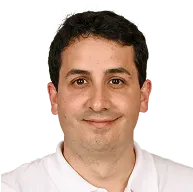
Marcel Kloos
Federally recognised dentist, founder and owner of Medschool Experts
Marcel Kloos founded the company while still studying abroad himself; since then more than 500 study places have been arranged. Originally from Stuttgart, he studied dentistry in Sofia from 2015 to 2021 and is a federally recognised dentist.
He now lives in Bern and runs the company full-time as its owner. He visits the partner universities in person on a regular basis.
Student reviews
Reviews by current and former students. We publish positive and negative reviews alike and state whether we placed the reviewer. Medschool Experts is a paid placement agency, so we are not an independent review site.
More universities to study medicine in this country
Compare the universities in the same country — programmes, fees and language of instruction side by side.
Student story
Videos about this university
Campus tour, first-hand accounts from students on the ground and answers to the most common questions — to watch rather than read.
Our curated universities
Our curated Top 20 — selected from the world's largest choice of universities for medicine, dentistry, pharmacy and veterinary medicine, independent of your high school diploma grades. We recommend each of these particularly, based on years of experience.
Problems at your university? Switch universities or train abroad
Exams not going well, trouble with the faculty, costs that have got out of hand, or you are simply not happy with the support you have had so far, including ours? You have options. We advise you free of charge on changing university and on completing parts of your clinical training abroad.
Change university
Move to another university and continue in a higher semester, usually without losing a year. We check your credits, find the right semester and handle the paperwork.
Clinical rotations abroad
Stay enrolled and complete single clinical blocks or rotations at a hospital abroad. You gain new hands-on experience and a fresh perspective on your degree.
Clinical internships abroad
Spend a few weeks at a hospital in another country, for example during the semester break, and see patients, ward routines and medicine from a different angle.
FAQ: studying medicine abroad at this university
What does dentistry at Universidad Europea de Valencia cost?
Around €15,300 a year, about €76,500 for all five years. Instruments, materials and roughly €950 a month for living costs come on top.
Where does the Universidad Europea dental degree take you?
Anywhere in the EU, the EEA or Switzerland: the Grado en Odontología falls under Directive 2005/36/EC, so Spain's EU membership secures automatic recognition with no knowledge test. The university's listing in the World Directory of Medical Schools supports recognition further afield too.
From which year do I treat patients in Valencia?
From year four, in the university's own dental clinic. Before that you train in the simulation labs and the digital Smart Lab.
Do I need Spanish for my studies?
Yes, from year four at the latest. The English track covers years one to three; years four and five are taught in Spanish, and many patients also speak Valencian.
How big is the dentistry intake?
280 places in total: 200 in Valencia and 80 in Alicante, with 140 each in the English and the Spanish track.
Which Valencia neighbourhood suits students best?
Benimaclet is the classic choice, quiet and with affordable shared flats. El Cabanyal puts you near the beach, Ruzafa near the nightlife.

Ahmad

Sabrina

Rami

Noah
500+ students placed.
Now it's your turn!
No daydreaming, no empty promises. Just a clear plan — for the start of your medical degree.
40 minutes, no obligation