Study Medicine at the University of Brescia in Brescia
Faculty of Medicine and Surgery · University of Brescia · Italy
The University of Brescia, founded in 1982, teaches medicine in Italian right beside the Spedali Civili, one of Lombardy's largest hospitals, in a city between Lake Garda and the Franciacorta hills.
Last updated
University profile
The key facts about this university at a glance.
Programmes
Medicine, Dentistry
Tuition fees
Income-based fees (ISEE), reduced or waived for low incomes, plus regional tax
Duration
6 years
Language of instruction
Italian
Admission process
Competitive admission with a limited number of places
Intake
September
Recognition
Living costs
Total students
How Safe Is This Study Location?
Based on assessments from residents and visitors collected by Numbeo over the past five years.
6 years
800
Weather through the year
Average daytime highs by month.
✓ Placement without a grade cut-off — we place you regardless of your school-leaving grades. We go through the specific requirements together.
Get free advice →Where this university is
Drag the map to place the university in Europe — and to judge how far it is from home.
Why study medicine abroad at this university?
Study Medicine at the University of Brescia
Brescia trained doctors before it had a university of its own. Medical teaching took place at the Spedali Civili under agreements with two partner universities, where the students were enrolled and graduated. Local business and civic leaders pushed for an independent university for years, and Law 590 of 14 August 1982 finally created the Università degli Studi di Brescia with three faculties: Medicine and Surgery, Engineering, and Economics.
Four decades later the university has about 16,000 students and around 600 professors and researchers. Its sites are split between two parts of the city: medicine and engineering in the north, around the hospital, and economics and law in the former convent of San Faustino in the historic centre. The medical faculty is based on viale Europa, a short walk from the wards.
The Spedali Civili as teaching hospital
Clinical teaching runs almost entirely through the ASST Spedali Civili, the public hospital trust of Brescia, with which the university regularly renews a formal agreement covering patient care, teaching and research. For students this means one very large hospital with nearly every specialty on a single site, from the emergency department to highly specialised units, instead of rotations scattered across a region.
The faculty has also built up newer fields. In 2023 Brescia became one of only 19 Italian universities hosting a specialty school in palliative care, run together with the hospital, and its research groups work closely with clinicians on the wards.
Who the University of Brescia suits
Brescia fits students who speak Italian well, want their clinical years concentrated in one big hospital and prefer a mid-sized, affordable city to Milan. It is also practical for students from South Tyrol, Trentino and the Veneto, who reach it quickly on the Milan–Venice railway.
Competitive admission
Medicine in Brescia has a limited number of places set each year, so admission is competitive.
Still comparing universities? The annual fee of 20 English-taught faculties is in one table in our guide to studying medicine in Europe in English.
- Founded: 1982 (Law 590/82)
- Type: Public university
- About 16,000 students
- Teaching hospital: ASST Spedali Civili
- Language of instruction: Italian
- Degree: Laurea Magistrale in Medicina e Chirurgia
Study medicine or dentistry: programmes and language of instruction
Structure, duration, language of instruction and degree — for every programme at this university.
Study conditions and campus life abroad
Medicina e Chirurgia is a six-year single-cycle master's degree with 360 ECTS. The first year combines chemistry, physics, biology and anatomy with an integrated block on the human side of medicine: history of medicine and of surgical instruments, bioethics, medical anthropology, psychology and English. Physiology, biochemistry, pathology and pharmacology follow, and from the fourth year the timetable moves onto the wards of the Spedali Civili, through internal medicine, surgery, paediatrics, obstetrics, neurology and emergency care.
The practical internship is built into the final years, so the degree qualifies you to practise in Italy straight after graduation and is recognised automatically throughout the EU, the EEA and Switzerland. Brescia also teaches Dentistry and Dental Prosthodontics as a separate six-year degree, as well as nursing, physiotherapy and other health professions, so you share the hospital district with students from many fields.
Admission: how to get a place to study medicine abroad
Study medicine abroad at 350+ universities worldwide
- The right university and a secure placement
- A study place abroad with an internationally recognised degree
- Support with your start, preparation and finding accommodation
- Help with transferring to another university
- Guidance all the way to your first job
Preparing properly with Medschool Experts
Tuition fees and living costs to study medicine abroad
Fees at Brescia depend on family income. Students with low incomes pay little or nothing, higher incomes pay a graduated contribution, and the Lombardy regional tax and stamp duty are added each year. Brescia is clearly cheaper than Milan: a room in a shared flat usually costs 350 to 480 € a month, and with food, a transport pass and books most students spend around 800 € a month. The regional right-to-study system offers grants, residence places and canteen meals to students who qualify.
Alumni now practising internationally
Former students of this university who, according to publicly available sources, now work as doctors or dentists internationally. Anonymised overview — not an indication of any cooperation with Medschool Experts.
The city as a place to study medicine
Brescia, with about 200,000 inhabitants, is the second-largest city in Lombardy. Its Roman forum with the Capitolium and the Lombard monastery of San Salvatore–Santa Giulia have been part of a UNESCO World Heritage Site since 2011, and in 2023 Brescia was Italian Capital of Culture together with Bergamo. Every spring the Mille Miglia classic car race starts and finishes in the city.
Daily life is calm and practical. A driverless metro line crosses the city from north to south and has its own stop at the hospital. High-speed trains reach Milan in under 40 minutes and Verona in about half an hour, and the regional line to Desenzano puts the beaches of Lake Garda within a short ride. Lake Iseo and the Franciacorta wine hills lie just west of town, the Alps of Val Camonica to the north, and the airport at Bergamo is about 50 km away.
- City: Brescia
- Region: Lombardy
- Inhabitants: approx. 200,000
- Living costs: approx. 800 € per month
About the author
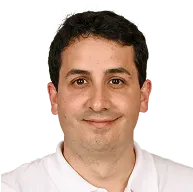
Marcel Kloos
Federally recognised dentist, founder and owner of Medschool Experts
Marcel Kloos founded the company while still studying abroad himself; since then more than 600 study places have been arranged. Originally from Stuttgart, he studied dentistry in Sofia from 2015 to 2021 and is a federally recognised dentist.
He now lives in Bern and runs the company full-time as its owner. He visits the partner universities in person on a regular basis.
Student reviews
Reviews by current and former students. We publish positive and negative reviews alike and state whether we placed the reviewer. Medschool Experts is a paid placement agency, so we are not an independent review site.
More universities to study medicine in this country
Compare the universities in the same country — programmes, fees and language of instruction side by side.
Student story
Videos about this university
Campus tour, first-hand accounts from students on the ground and answers to the most common questions — to watch rather than read.
Our curated universities
Our curated Top 20 — selected from the world's largest choice of universities for medicine, dentistry, pharmacy and veterinary medicine, independent of your high school diploma grades. We recommend each of these particularly, based on years of experience.
Problems at your university? Switch universities or train abroad
Exams not going well, trouble with the faculty, costs that have got out of hand, or you are simply not happy with the support you have had so far, including ours? You have options. We advise you free of charge on changing university and on completing parts of your clinical training abroad.
Change university
Move to another university and continue in a higher semester, usually without losing a year. We check your credits, find the right semester and handle the paperwork.
Clinical rotations abroad
Stay enrolled and complete single clinical blocks or rotations at a hospital abroad. You gain new hands-on experience and a fresh perspective on your degree.
Clinical internships abroad
Spend a few weeks at a hospital in another country, for example during the semester break, and see patients, ward routines and medicine from a different angle.
FAQ: studying medicine abroad at this university
Which language is medicine taught in at Brescia?
The degree is taught in Italian, so you need a solid command of the language from the first semester.
Where can I read University of Brescia reviews?
On this page: students can rate the University of Brescia and read the reviews of others.
Where do Brescia's medical students train?
At the ASST Spedali Civili, the city's large public hospital, right next to the medical faculty on viale Europa.
How much does it cost to live in Brescia?
Around 800 € a month, with rooms in shared flats from about 350 €.
How far is Brescia from Milan and Lake Garda?
Milan is under 40 minutes away by high-speed train, and Desenzano on Lake Garda is a short regional train ride.
Ahmad
Sabrina
Rami
Noah
600+ students placed.
Now it's your turn!
No daydreaming, no empty promises. Just a clear plan — for the start of your medical degree.
40 minutes, no obligation