Study Medicine at the University of Göttingen (UMG)
Faculty of Medicine · Georg-August-Universität Göttingen · Germany
The University of Göttingen, founded in 1737, has taught medicine since its first semester and trains doctors today at the University Medical Center Göttingen (UMG), a hospital campus on the northern edge of a classic German university town.
Last updated
University profile
The key facts about this university at a glance.
Programmes
Medicine, Dentistry
Tuition fees
No tuition fees, also for non-EU students; semester contribution only
Duration
6 years and 3 months (state examination)
Language of instruction
German
Admission process
Competitive admission, based on school grades or a national selection
Intake
Winter semester (October)
Recognition
Living costs
Total students
25500
How Safe Is This Study Location?
Based on assessments from residents and visitors collected by Numbeo over the past five years.
6 years and 3 months (state examination)
1000
Weather through the year
Average daytime highs by month.
✓ Placement without a grade cut-off — we place you regardless of your school-leaving grades. We go through the specific requirements together.
Get free advice →Where this university is
Drag the map to place the university in Europe — and to judge how far it is from home.
Why study medicine abroad at this university?
Study Medicine at the University of Göttingen
Georg-August-Universität Göttingen opened in 1737, founded by George II, who was King of Great Britain and Elector of Hanover at the same time. Medicine was one of the founding faculties, and the Swiss physician and naturalist Albrecht von Haller taught anatomy, botany and surgery here from 1736 to 1753, setting up an anatomical theatre and a botanical garden that still exists. Göttingen likes to point out that more than 40 Nobel laureates studied, taught or researched in the town, and the tradition of new doctors kissing the Gänseliesel fountain in the market square goes back more than a century.
Today medical teaching and patient care sit under one roof as the University Medical Center Göttingen (UMG). The large hospital building on Robert-Koch-Straße, north of the old town, combines lecture halls, wards and research labs, and the campus borders the university's science quarter with several Max Planck institutes nearby. For students this means short walks between a seminar, a patient's bedside and a lab placement.
What makes medicine in Göttingen different
- Research town: Göttingen has one of the densest research landscapes in Germany for its size, with strong neuroscience, cardiology and molecular medicine. Doctoral theses alongside the degree are common.
- Everything in one place: clinics, preclinical institutes and student life are within cycling distance, which saves time compared with large-city faculties spread over several campuses.
- No tuition fees for anyone: Lower Saxony charges neither German, EU nor non-EU students tuition for a first degree.
Who studying medicine in Göttingen suits
Göttingen fits students who want a calm, compact university town where almost everyone is studying something, rather than the anonymity of a metropolis. It suits those curious about research, since the path from lecture hall to lab is unusually short. Anyone who needs big-city nightlife every weekend may find the town quiet, though Hanover and Kassel are close by train.
Competitive admission
Medicine in Göttingen is a German state degree with limited places. Admission is competitive and based on school grades or a national selection, so only part of the applicants receive a place each year.
Still comparing universities? The annual fee of 20 English-taught faculties is in one table in our guide to studying medicine in Europe in English.
- Founded: 1737
- Type: Public research university
- Students: approx. 25,500
- University hospital: University Medical Center Göttingen (UMG)
- Language of instruction: German
- Degree: State examination in medicine
Study medicine or dentistry: programmes and language of instruction
Structure, duration, language of instruction and degree — for every programme at this university.
Study conditions and campus life abroad
The degree takes six years and three months. The first years cover anatomy, biochemistry, physiology and the other preclinical subjects, taught in the institutes close to the UMG campus. In the clinical phase students rotate through internal medicine, surgery, paediatrics, neurology, psychiatry and all other major specialties at the UMG and its teaching hospitals in southern Lower Saxony and northern Hesse. The final year is the practical year (PJ) in hospital, followed by the last part of the state examination.
Admission: how to get a place to study medicine abroad
Study medicine abroad at 350+ universities worldwide
- The right university and a secure placement
- A study place abroad with an internationally recognised degree
- Support with your start, preparation and finding accommodation
- Help with transferring to another university
- Guidance all the way to your first job
Preparing properly with Medschool Experts
Tuition fees and living costs to study medicine abroad
Göttingen charges no tuition fees, neither for German nor for international students. Each semester students pay a contribution of a few hundred euros that covers student services and the Germany-wide public transport ticket. Living costs in Göttingen are moderate for a university town: plan around 900 to 1,100 € a month, with a room in a shared flat as the largest item. Halls of residence run by the student services are cheaper but in demand, so it pays to apply early.
Alumni now practising internationally
Former students of this university who, according to publicly available sources, now work as doctors or dentists internationally. Anonymised overview — not an indication of any cooperation with Medschool Experts.
The city as a place to study medicine
Göttingen has around 118,000 inhabitants and more than 25,000 students, which gives the half-timbered old town a young, lively feel. Cafés, student pubs and bookshops line the pedestrian streets, and the old town wall is a popular place for an evening walk. The town sits on the high-speed rail line between Hamburg and Munich: Hanover is about 35 minutes away by ICE, Frankfurt under two hours and Berlin around two and a half hours. The Harz mountains and the Weser hills are within an hour for hiking and skiing.
- City: Göttingen
- State: Lower Saxony
- Inhabitants: approx. 118,000
- Living costs: approx. 900 to 1,100 € per month
About the author
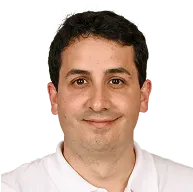
Marcel Kloos
Federally recognised dentist, founder and owner of Medschool Experts
Marcel Kloos founded the company while still studying abroad himself; since then more than 600 study places have been arranged. Originally from Stuttgart, he studied dentistry in Sofia from 2015 to 2021 and is a federally recognised dentist.
He now lives in Bern and runs the company full-time as its owner. He visits the partner universities in person on a regular basis.
Student reviews
Reviews by current and former students. We publish positive and negative reviews alike and state whether we placed the reviewer. Medschool Experts is a paid placement agency, so we are not an independent review site.
More universities to study medicine in this country
Compare the universities in the same country — programmes, fees and language of instruction side by side.
Student story
Videos about this university
Campus tour, first-hand accounts from students on the ground and answers to the most common questions — to watch rather than read.
Our curated universities
Our curated Top 20 — selected from the world's largest choice of universities for medicine, dentistry, pharmacy and veterinary medicine, independent of your high school diploma grades. We recommend each of these particularly, based on years of experience.
Problems at your university? Switch universities or train abroad
Exams not going well, trouble with the faculty, costs that have got out of hand, or you are simply not happy with the support you have had so far, including ours? You have options. We advise you free of charge on changing university and on completing parts of your clinical training abroad.
Change university
Move to another university and continue in a higher semester, usually without losing a year. We check your credits, find the right semester and handle the paperwork.
Clinical rotations abroad
Stay enrolled and complete single clinical blocks or rotations at a hospital abroad. You gain new hands-on experience and a fresh perspective on your degree.
Clinical internships abroad
Spend a few weeks at a hospital in another country, for example during the semester break, and see patients, ward routines and medicine from a different angle.
FAQ: studying medicine abroad at this university
Is medicine at the University of Göttingen taught in English?
No. The state examination programme in Göttingen is taught entirely in German, and clinical work with patients also takes place in German.
Do international students pay tuition in Göttingen?
No. Lower Saxony does not charge tuition for a first degree, so EU and non-EU students only pay the semester contribution.
Where does clinical training take place?
Mainly at the University Medical Center Göttingen (UMG) on Robert-Koch-Straße, plus teaching hospitals in the surrounding region during rotations and the practical year.
Why is Göttingen called a Nobel Prize town?
More than 40 Nobel laureates studied, taught or researched in Göttingen, among them physicians and natural scientists whose work shaped modern medicine. Their names appear on memorial plaques all over town.
Is Göttingen expensive for students?
Compared with Munich, Hamburg or Frankfurt it is affordable. Around 900 to 1,100 € a month covers rent, food, insurance and leisure for most students.
Ahmad
Sabrina
Rami
Noah
600+ students placed.
Now it's your turn!
No daydreaming, no empty promises. Just a clear plan — for the start of your medical degree.
40 minutes, no obligation