Study Medicine at TU Dresden
Carl Gustav Carus Faculty of Medicine · TU Dresden · Germany
TU Dresden's Carl Gustav Carus Faculty of Medicine was founded on 1 October 1993, building on a medical academy that had trained doctors in Dresden since 1954. It is one of Germany's youngest medical faculties and teaches medicine and dentistry in German on a compact hospital campus beside the Elbe.
Last updated
University profile
The key facts about this university at a glance.
Programmes
Medicine, Dentistry
Tuition fees
No tuition fees for a first degree; semester contribution only
Duration
6 years and 3 months (state examination)
Language of instruction
German
Admission process
Competitive admission, based on school grades or a national selection
Intake
Winter semester (October)
Recognition
Living costs
Total students
28000
How Safe Is This Study Location?
Based on assessments from residents and visitors collected by Numbeo over the past five years.
6 years and 3 months (state examination)
950
Weather through the year
Average daytime highs by month.
✓ Placement without a grade cut-off — we place you regardless of your school-leaving grades. We go through the specific requirements together.
Get free advice →Where this university is
Drag the map to place the university in Europe — and to judge how far it is from home.
Why study medicine abroad at this university?
Study Medicine at TU Dresden
Medicine in Dresden has a longer history than the faculty's founding date suggests. Surgeons and military doctors were trained in the Saxon capital from the eighteenth century, and in 1954 the city received its own Medical Academy, named after the physician, painter and natural scientist Carl Gustav Carus. When the academy was dissolved after German reunification, its teaching and research were moved into the Technische Universität Dresden: on 1 October 1993 the Carl Gustav Carus Faculty of Medicine was founded. That makes it one of the youngest medical faculties in Germany, and one of the few that grew up inside a technical university rather than a classical one.
The faculty and University Hospital Carl Gustav Carus form one institution under the name Hochschulmedizin Dresden. Almost everything happens on a single site in the Johannstadt district: lecture halls, institutes, the clinics and the student services sit on a campus of more than 20 buildings around Fetscherstraße, a few minutes' walk from the Elbe meadows. The hospital has around 1,400 beds and is the largest in eastern Saxony, which means that students see the full spectrum of maximum-care medicine, from transplant surgery to rare paediatric diseases, without leaving the campus.
The faculty teaches medicine, dentistry, midwifery, public health and medical radiation sciences. In the winter semester 2026/27 it welcomed around 400 new students across all programmes, about 56 of them in dentistry. A special feature is MEDiC, a model programme in human medicine run together with Klinikum Chemnitz: students start in Dresden and complete large parts of their clinical training in Chemnitz, one of Saxony's biggest hospitals.
Who was Carl Gustav Carus?
Carus (1789–1869) was a gynaecologist and royal physician in Dresden, but also one of the best-known painters of German Romanticism and a correspondent of Goethe. He wrote on comparative anatomy and psychology and is often cited as an early thinker on the unconscious. The faculty sees this combination of science, art and curiosity as a model for its students, and it shows in small things: concerts and exhibitions in the clinic buildings, and an emphasis on communication with patients from the first semester.
What makes medicine in Dresden different
- One campus: teaching, research and patient care are a few minutes apart, so students can move from a lecture to a ward round without public transport.
- Practical training centre: the interprofessional training centre MITZ lets students practise examinations, suturing, resuscitation and difficult conversations on simulators and with trained actors before meeting real patients.
- Research focus: oncology with the National Center for Tumor Diseases Dresden, metabolic diseases and diabetes research, and neurological and psychiatric disorders form the three pillars of the faculty.
- A technical university around you: TU Dresden has more than 28,000 students and strong engineering, computer science and biotechnology faculties, which opens doors for doctoral projects in medical technology, imaging or data science.
- No tuition fees: Saxony charges no tuition for a first degree.
Who studying medicine in Dresden suits
Dresden suits students who want a beautiful, mid-sized city with real cultural depth, low living costs and short distances. It is a good choice for anyone interested in research at the interface of medicine and technology, and for those who like a campus where the hospital is the centre of daily life. Students who prefer a metropolis with an intense nightlife may find Leipzig or Berlin more to their taste; Dresden is calmer, greener and more focused.
Competitive admission
Medicine at TU Dresden is a German state degree with limited places. Admission is competitive and based on school grades or a national selection, and only part of the applicants receive a place.
Still comparing universities? The annual fee of 20 English-taught faculties is in one table in our guide to studying medicine in Europe in English.
- Faculty founded: 1 October 1993 (Medical Academy Carl Gustav Carus from 1954)
- University: TU Dresden, public technical university with more than 28,000 students
- University hospital: University Hospital Carl Gustav Carus, approx. 1,400 beds
- Programmes: medicine, dentistry, midwifery, public health, medical radiation sciences
- New students WS 2026/27: around 400 across all programmes
- Training centre: MITZ simulation and skills centre
- Research: oncology, metabolism, neurology and psychiatry
- Intake: winter semester only
- Language of instruction: German
- Degree: state examination in medicine or dentistry
Study medicine or dentistry: programmes and language of instruction
Structure, duration, language of instruction and degree — for every programme at this university.
- Medicine (state examination): the regular programme, taught in German over twelve semesters plus the final examination period, with one intake each October and clinical training on the Carus campus.
- MEDiC model programme: a human medicine track run with Klinikum Chemnitz, where students learn in a large regional hospital with close supervision and early responsibility.
- Dentistry (state examination): about 56 first-year places; after preclinical subjects and phantom training, students treat patients under supervision in the university dental clinic.
- Midwifery: an academic degree with practical training in the hospital's obstetrics department.
- Public Health and Medical Radiation Sciences: master's programmes that bring epidemiologists, physicists and physicians together on the same campus.
Study conditions and campus life abroad
The regular medicine programme in Dresden lasts twelve semesters plus the final examination period, about six years and three months, and begins once a year in the winter semester. Because the whole cohort starts together, study groups form early and many students stay with them until the practical year.
Years one and two: preclinical phase
Anatomy, physiology, biochemistry, physics, chemistry, biology and medical psychology and sociology fill the first two years. The dissection course is one of the most intense experiences of the preclinical phase, and Dresden adds early patient contact so that the subjects do not stay abstract. Before the first part of the state examination, students complete a three-month nursing internship and a first-aid course.
Years three to five: clinical phase
The clinical years take place on the Carus campus. Students rotate through internal medicine, surgery, paediatrics, gynaecology, neurology, psychiatry and the other major specialties, with bedside teaching in small groups. Skills are trained first in the MITZ simulation centre and then on the wards. Four months of clinical clerkships (Famulatur) during the semester breaks complete the phase; many students spend one of them abroad, for example in the Czech Republic, Poland or Scandinavia.
Year six: practical year
The practical year consists of three 16-week blocks in internal medicine, surgery and an elective subject. Students can complete it at the university hospital or at academic teaching hospitals across Saxony. The oral and practical part of the state examination follows directly afterwards and leads to the licence to practise.
The MEDiC model programme
MEDiC is a separate track run with Klinikum Chemnitz. Its students take their first semesters in Dresden and then move to Chemnitz, where they learn in a large regional hospital with a strong focus on general practice and care outside the big cities. It suits students who want close supervision and early responsibility.
Research during the degree
Oncology, diabetes and metabolism, neuroscience and regenerative medicine offer many doctoral projects. The close links with TU Dresden's engineering and computer science departments and with Max Planck, Leibniz and Fraunhofer institutes in the city make Dresden particularly interesting for students who want to combine medicine with technology.
Admission: how to get a place to study medicine abroad
Study medicine abroad at 350+ universities worldwide
- The right university and a secure placement
- A study place abroad with an internationally recognised degree
- Support with your start, preparation and finding accommodation
- Help with transferring to another university
- Guidance all the way to your first job
Preparing properly with Medschool Experts
Tuition fees and living costs to study medicine abroad
TU Dresden charges no tuition fees for a first degree. Each semester students pay a contribution of a few hundred euros that covers the student services and the Germany-wide public transport ticket, so trams, buses and regional trains in and around Dresden are already paid for.
Dresden is one of the more affordable large university cities in Germany. Around 850 to 1,050 € a month is enough for most students. A typical budget looks like this: 330 to 450 € for a room in a shared flat, 230 to 280 € for food, about 130 € for health insurance, 40 to 50 € for books and instruments and 120 to 150 € for phone, sport and leisure. Rents have risen in recent years, especially in the Neustadt, but remain well below Munich, Hamburg or Frankfurt.
Popular areas for medical students are Johannstadt and Striesen, both within walking or cycling distance of the hospital campus, and the student halls of the Studentenwerk Dresden, some of which are only a few tram stops away. Many students cycle along the Elbe cycle path, which runs directly past the campus.
Over six years and three months, living costs in Dresden add up to roughly 64,000 to 79,000 € (own calculation based on the monthly range above). Many students earn money as tutors in anatomy or in the training centre, as student assistants in research groups or in nursing support at the university hospital. Teaching hospitals often pay an allowance during the practical year. German students can apply for BAföG; international students should plan their financing for the whole degree.
Alumni now practising internationally
Former students of this university who, according to publicly available sources, now work as doctors or dentists internationally. Anonymised overview — not an indication of any cooperation with Medschool Experts.
The city as a place to study medicine
Dresden, the capital of Saxony, has around 570,000 inhabitants and lies in a wide valley of the Elbe. Its baroque skyline is one of the best known in Europe: the Zwinger, the Semperopera, the Hofkirche and the Frauenkirche, which was destroyed in 1945 and reconsecrated in 2005 after a reconstruction financed by donations from around the world. The Old Masters Picture Gallery holds Raphael's Sistine Madonna, and the Green Vault shows the treasures of the Saxon electors.
For medical students the German Hygiene Museum is worth a visit: founded in 1912 by the Dresden entrepreneur Karl August Lingner, it is one of the most original museums about the human body anywhere. Across the river, the Neustadt is the student quarter, with bars, small shops, backyard courtyards and the Kunsthofpassage.
Nature is part of everyday life. The Elbe meadows run through the city and are full of students on summer evenings, with open-air cinema and concerts. Within an hour you are in Saxon Switzerland, with sandstone cliffs, climbing routes and the Bastei bridge. The Ore Mountains offer cross-country skiing in winter.
Dresden is well connected: Prague is a little over two hours away by train, Berlin about two hours, and Leipzig around one hour. Dresden airport has connections to German and European hubs. Summers are warm, winters colder and often drier than in western Germany.
- City: Dresden, capital of Saxony
- Inhabitants: approx. 570,000
- Location: on the Elbe, about two hours from Prague and Berlin
- Known for: Frauenkirche, Zwinger, Semperoper, German Hygiene Museum
- Nature: Elbe meadows, Saxon Switzerland, Ore Mountains
- Living costs: approx. 850 to 1,050 € per month
About the author
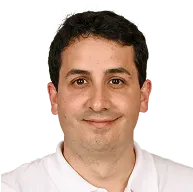
Marcel Kloos
Federally recognised dentist, founder and owner of Medschool Experts
Marcel Kloos founded the company while still studying abroad himself; since then more than 600 study places have been arranged. Originally from Stuttgart, he studied dentistry in Sofia from 2015 to 2021 and is a federally recognised dentist.
He now lives in Bern and runs the company full-time as its owner. He visits the partner universities in person on a regular basis.
Student reviews
Reviews by current and former students. We publish positive and negative reviews alike and state whether we placed the reviewer. Medschool Experts is a paid placement agency, so we are not an independent review site.
More universities to study medicine in this country
Compare the universities in the same country — programmes, fees and language of instruction side by side.
Student story
Videos about this university
Campus tour, first-hand accounts from students on the ground and answers to the most common questions — to watch rather than read.
Our curated universities
Our curated Top 20 — selected from the world's largest choice of universities for medicine, dentistry, pharmacy and veterinary medicine, independent of your high school diploma grades. We recommend each of these particularly, based on years of experience.
Problems at your university? Switch universities or train abroad
Exams not going well, trouble with the faculty, costs that have got out of hand, or you are simply not happy with the support you have had so far, including ours? You have options. We advise you free of charge on changing university and on completing parts of your clinical training abroad.
Change university
Move to another university and continue in a higher semester, usually without losing a year. We check your credits, find the right semester and handle the paperwork.
Clinical rotations abroad
Stay enrolled and complete single clinical blocks or rotations at a hospital abroad. You gain new hands-on experience and a fresh perspective on your degree.
Clinical internships abroad
Spend a few weeks at a hospital in another country, for example during the semester break, and see patients, ward routines and medicine from a different angle.
FAQ: studying medicine abroad at this university
Is medicine at TU Dresden taught in English?
No. The state examination programme is taught in German, and work with patients also takes place in German.
When does medicine start in Dresden?
Once a year, in the winter semester in October. There is no summer intake for first-year medicine.
How old is the medical faculty in Dresden?
The faculty was founded on 1 October 1993. It continues the tradition of the Medical Academy Carl Gustav Carus, which had trained doctors in Dresden since 1954.
Where does clinical training take place?
At University Hospital Carl Gustav Carus on the campus in the Johannstadt district and, during the practical year, also at teaching hospitals across Saxony. MEDiC students complete large parts of their clinical training at Klinikum Chemnitz.
What is MEDiC?
A model programme in human medicine run jointly by the Dresden faculty and Klinikum Chemnitz, with a strong focus on practice in a large regional hospital.
Can I study dentistry in Dresden?
Yes. The faculty offers dentistry as a state examination programme with around 56 first-year places.
What are the research strengths of the faculty?
Oncology, metabolic diseases including diabetes, and neurological and psychiatric disorders, supported by close cooperation with TU Dresden's engineering faculties and non-university institutes.
Is Dresden expensive for students?
Compared with other large German cities, no. Around 850 to 1,050 € a month covers rent, food, insurance and leisure for most students.
How far is Dresden from Prague and Berlin?
Prague is a little over two hours by train, Berlin about two hours.
Ahmad
Sabrina
Rami
Noah
600+ students placed.
Now it's your turn!
No daydreaming, no empty promises. Just a clear plan — for the start of your medical degree.
40 minutes, no obligation