Study Medicine at the University of Würzburg
Faculty of Medicine · Julius-Maximilians-Universität Würzburg · Germany
The University of Würzburg, first founded in 1402, is where Wilhelm Conrad Röntgen discovered X-rays in 1895. Its Faculty of Medicine trains doctors at the University Hospital Würzburg in the Grombühl district above the river Main.
Last updated
University profile
The key facts about this university at a glance.
Programmes
Medicine, Dentistry
Tuition fees
No tuition fees; semester contribution only
Duration
6 years and 3 months (state examination)
Language of instruction
German
Admission process
Competitive admission, based on school grades or a national selection
Intake
Winter semester (October)
Recognition
Living costs
Total students
How Safe Is This Study Location?
Based on assessments from residents and visitors collected by Numbeo over the past five years.
6 years and 3 months (state examination)
1000
Weather through the year
Average daytime highs by month.
✓ Placement without a grade cut-off — we place you regardless of your school-leaving grades. We go through the specific requirements together.
Get free advice →Where this university is
Drag the map to place the university in Europe — and to judge how far it is from home.
Why study medicine abroad at this university?
Study Medicine at the University of Würzburg
Julius-Maximilians-Universität Würzburg was first founded in 1402 and re-established in 1582 by Prince-Bishop Julius Echter, whose name it still carries. Medicine has been part of the university since its refounding, and the historic Juliusspital, a hospital foundation from 1576, shaped medical teaching in the city for centuries.
Two names stand out in Würzburg's medical history. Rudolf Virchow, the founder of cellular pathology, held the chair of pathological anatomy here from 1849 to 1856. And on 8 November 1895 the physicist Wilhelm Conrad Röntgen discovered X-rays in his laboratory at the university, a finding that changed diagnostic medicine and earned him the first Nobel Prize in Physics in 1901. The building on the street now called Röntgenring houses a memorial to the discovery.
Today the Faculty of Medicine works with the University Hospital Würzburg, a maximum-care hospital whose modern centres for operative and internal medicine stand on the hill in the Grombühl district. Research focuses include cardiovascular medicine, infection research, immunology and neuroscience.
What makes medicine in Würzburg different
- Medical history on every corner: few places combine Virchow, Röntgen and a 450-year-old hospital foundation in one town.
- Compact campus: the clinical centres in Grombühl are a short bus or bike ride from the city centre and the preclinical institutes.
- Broad health programmes: next to medicine and dentistry the faculty also teaches midwifery science, nursing science and biomedicine, so students meet other health professions early.
Who studying medicine in Würzburg suits
Würzburg suits students who want a mid-sized city with a strong student presence, baroque architecture and wine culture, and who value a hospital where they get to know the teams over several years. It is a good choice for anyone interested in research during the degree. Those who want an international metropolis will find Frankfurt and Nuremberg about an hour away.
Competitive admission
Places in medicine at Würzburg are limited and awarded competitively, based on school grades or a national selection.
Still comparing universities? The annual fee of 20 English-taught faculties is in one table in our guide to studying medicine in Europe in English.
- Founded: 1402, re-established 1582
- Type: Public research university
- University hospital: University Hospital Würzburg (Grombühl)
- Language of instruction: German
- Degree: State examination in medicine
Study medicine or dentistry: programmes and language of instruction
Structure, duration, language of instruction and degree — for every programme at this university.
Study conditions and campus life abroad
Medicine in Würzburg takes six years and three months. The preclinical years cover anatomy, biochemistry, physiology and the natural sciences, with dissection courses in the anatomical institute. The clinical phase moves to the University Hospital in Grombühl, with rotations through internal medicine, surgery, paediatrics, gynaecology, neurology and the other specialties, complemented by training with simulation patients. The practical year in hospital and the final part of the state examination complete the degree.
Admission: how to get a place to study medicine abroad
Study medicine abroad at 350+ universities worldwide
- The right university and a secure placement
- A study place abroad with an internationally recognised degree
- Support with your start, preparation and finding accommodation
- Help with transferring to another university
- Guidance all the way to your first job
Preparing properly with Medschool Experts
Tuition fees and living costs to study medicine abroad
Bavaria charges no tuition fees, so students only pay a semester contribution for student services and the regional semester ticket. Würzburg is clearly cheaper than Munich: budget around 900 to 1,100 € a month for rent, food, health insurance and leisure. Rooms in shared flats in the Sanderau and Zellerau districts are popular with students.
Alumni now practising internationally
Former students of this university who, according to publicly available sources, now work as doctors or dentists internationally. Anonymised overview — not an indication of any cooperation with Medschool Experts.
The city as a place to study medicine
Würzburg has around 128,000 inhabitants and a large student population, which keeps the old town busy all year. The baroque Residence is a UNESCO World Heritage Site, the Marienberg Fortress overlooks the Main, and on summer evenings students meet on the Old Main Bridge with a glass of Franconian wine. Frankfurt is about 70 minutes away by ICE, Nuremberg about an hour, and Frankfurt airport makes trips home easy.
- City: Würzburg
- State: Bavaria (Lower Franconia)
- Inhabitants: approx. 128,000
- Living costs: approx. 900 to 1,100 € per month
About the author
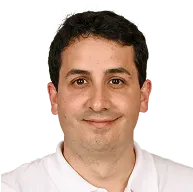
Marcel Kloos
Federally recognised dentist, founder and owner of Medschool Experts
Marcel Kloos founded the company while still studying abroad himself; since then more than 600 study places have been arranged. Originally from Stuttgart, he studied dentistry in Sofia from 2015 to 2021 and is a federally recognised dentist.
He now lives in Bern and runs the company full-time as its owner. He visits the partner universities in person on a regular basis.
Student reviews
Reviews by current and former students. We publish positive and negative reviews alike and state whether we placed the reviewer. Medschool Experts is a paid placement agency, so we are not an independent review site.
More universities to study medicine in this country
Compare the universities in the same country — programmes, fees and language of instruction side by side.
Student story
Videos about this university
Campus tour, first-hand accounts from students on the ground and answers to the most common questions — to watch rather than read.
Our curated universities
Our curated Top 20 — selected from the world's largest choice of universities for medicine, dentistry, pharmacy and veterinary medicine, independent of your high school diploma grades. We recommend each of these particularly, based on years of experience.
Problems at your university? Switch universities or train abroad
Exams not going well, trouble with the faculty, costs that have got out of hand, or you are simply not happy with the support you have had so far, including ours? You have options. We advise you free of charge on changing university and on completing parts of your clinical training abroad.
Change university
Move to another university and continue in a higher semester, usually without losing a year. We check your credits, find the right semester and handle the paperwork.
Clinical rotations abroad
Stay enrolled and complete single clinical blocks or rotations at a hospital abroad. You gain new hands-on experience and a fresh perspective on your degree.
Clinical internships abroad
Spend a few weeks at a hospital in another country, for example during the semester break, and see patients, ward routines and medicine from a different angle.
FAQ: studying medicine abroad at this university
Is medicine at the University of Würzburg taught in English?
No, the medical degree is taught in German, and patient contact during clinical training is in German as well.
Were X-rays really discovered in Würzburg?
Yes. Wilhelm Conrad Röntgen discovered X-rays at the University of Würzburg on 8 November 1895 and received the first Nobel Prize in Physics in 1901.
Does Würzburg charge tuition for medicine?
No. Bavaria has no tuition fees; students pay only the semester contribution.
Where is the University Hospital Würzburg?
Most clinics and centres are in the Grombühl district on the hill north-east of the old town, a few minutes by bus from the centre.
What does it cost to live in Würzburg?
Plan around 900 to 1,100 € a month. Rents are moderate for Bavaria, and much of the city can be reached on foot or by bike.
Ahmad
Sabrina
Rami

Noah
600+ students placed.
Now it's your turn!
No daydreaming, no empty promises. Just a clear plan — for the start of your medical degree.
40 minutes, no obligation